
For bag buyers, Chinese suppliers are often the first choice—offering superior production efficiency, complete supply chains, and the ability to scale quickly from 1,000 to 10,000 units without breaking a sweat.
However, U.S.-China tariffs have been unpredictable. In 2018, tariffs jumped to 25% on many goods. By 2024, bag and accessory tariffs still range from 7.5% to 25% depending on category. For products with 60-90 day production cycles, this creates real headaches—your pricing might be obsolete by the time goods ship.
This uncertainty has pushed many buyers toward Southeast Asian manufacturers in Vietnam and Cambodia, where tariffs are significantly lower. If you’re considering China, Southeast Asia, or both, this guide breaks down how to find the right partner.
Finding the Right Bag Factory in China
1. Online Research Checklist
Evaluate Their Website A professional manufacturer should have a functional website showing real products, not just stock photos. Look for certifications like ISO 9001, BSCI, or OEKO-TEX—these prove they follow international quality and ethical standards.
Read Their Blog This matters more than you’d think. A factory posting regularly about construction techniques, material innovations, or industry trends demonstrates genuine expertise. Generic fluff or copied content? Red flag.
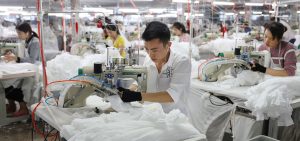
Distinguish Factory vs. Trading Company Check for factory photos, production team introductions, and facility details. Real manufacturers proudly show their operations. Trading companies stay vague. Both can work, but know which you’re dealing with—it affects pricing and communication.
Verify They’re Active Look at their news section. If the latest update is from two years ago, they’re likely inactive. Active companies post monthly updates about new products, trade shows, or industry developments.
Check Social Media LinkedIn should show company updates and industry engagement. Facebook/Instagram should have regular posts about factory operations and products. If a company has been around for five years but only has 50 followers and hasn’t posted in six months, that’s a red flag.
Contact Before Visiting Email or call with specific project questions. Good suppliers respond within 24-48 hours with thoughtful answers. This saves you from wasting time and money visiting factories that can’t deliver what you need.
2. Visit the Factory

Once you’ve shortlisted online, visit in person if possible. Walk the production floor, check equipment maintenance, observe material storage, and assess workspace cleanliness. A messy factory usually means messy quality control.
3. Contract Essentials

Document Everything Every detail—pricing, materials, quantities, delivery dates—must be in writing. If they promised YKK zippers, the brand name goes in the contract, not just “quality zippers.”
Payment Terms Standard is 30% deposit, 70% before shipping. Never pay 100% upfront unless you deeply trust the supplier. Use secure payment methods with recourse options.
Communication Protocol Define your main contact, expected response times, and channels (WhatsApp, email, WeChat). Nothing’s worse than urgent messages disappearing into a void. Critically important: keep backups of all email correspondence. For B2B with long production cycles, these records can be invaluable when disputes arise later.
Quality Control Specify how quality gets checked, whether you can hire third-party inspectors, and who pays for what if products fail specs.
IP Protection If sharing proprietary designs, get an NDA signed. Chinese IP law has improved, but written protection remains essential.
4. Maintain a Supplier Directory
Keep a spreadsheet rating suppliers on quality, communication, on-time delivery, and pricing. Great experiences should lead to repeat partnerships—building long-term relationships often yields better pricing and priority during peak seasons.
Finding Manufacturers in Southeast Asia
Southeast Asia’s manufacturing infrastructure lags behind China, making online research even more critical. In-person visits cost more and face challenges—infrastructure gaps, safety considerations, and accessibility issues that don’t exist in China’s established hubs.
Enhanced Online Due Diligence
Website Quality Signals Investment A professional, updated website shows commitment to international business. A site that hasn’t been touched since 2005 is a concern.
Client Base Matters Look for U.S. or European clients. Factories serving Western markets for several years understand your quality expectations and compliance requirements—they know what “AQL 2.5” means without explanation.
Get References Ask for references from international buyers and actually contact them. Ask: “How did they handle problems? Were shipments on time? Did quality stay consistent?”
Understanding Supply Chain Reality
Many Southeast Asian factories import materials from China—zippers, webbing, fabric, hardware. Ask:
- Where do you source raw materials?
- Lead time for rush orders?
- Do you stock common components or order per project?
- How fast can you replace defective materials?
This reveals true lead times and potential bottlenecks. If a Vietnamese factory waits three weeks for Chinese zippers, your time advantage evaporates.
Calculate True Total Cost

Lower tariffs don’t guarantee lower total costs. Factor in:
- Longer shipping routes: Some Southeast Asian ports have less frequent U.S. service
- Infrastructure challenges: Power outages delay production; poor roads damage goods in transit
- Smaller scale: A factory running 5,000 bags monthly has higher per-unit costs than one running 50,000
- Extra QC costs: More frequent third-party inspections since you can’t visit easily
Run this calculation: (China cost + higher tariff rate + standard shipping) vs. (Vietnam cost + lower tariff rate + potentially higher shipping + extra QC)
Sometimes China still wins. Sometimes Vietnam saves 15-20%. But calculate everything first.
Evaluate Scale and Specialization
Chinese factories often specialize deeply—one does only cooler bags, another only leather. Southeast Asian factories tend to be smaller generalists.
Implications:
- Smaller can mean more flexibility and personal attention
- But verify capacity matches your needs—a 3,000-unit monthly factory struggles with sudden 20,000-unit orders
- For complex products (fireproof, smellproof, waterproof welding), verify they have proper equipment and expertise
Verify Certifications
Look for BSCI/SMETA (social compliance), ISO 9001 (quality management), and OEKO-TEX (chemical safety). No recent audit reports? Warning sign.
Start with Samples
Never place bulk orders without testing samples from 2-3 factories side by side. Check stitching, material consistency, hardware functionality. Wash-test and stress-test them. Sample fees over $100-150 per bag? Walk away.
Use Virtual Factory Tours
Since visits are trickier, schedule video calls during working hours. Have them walk you through production floors, raw material storage, cutting areas, sewing lines, and QC stations. Legitimate factories proudly show their operations.
Build in Communication Buffer
Time zones, language barriers, and slower internet mean longer response times. Expect 48 hours instead of 24. Use simple language, avoid idioms, confirm understanding by having them repeat key details, and use visual aids.
The Ideal Solution: Dual-Location Manufacturers
Some manufacturers operate facilities in both China and Southeast Asia. This is often the best scenario.
Why It Works:
Flexibility: Produce complex bags in China where supply chains excel, shift simpler products to Vietnam/Cambodia when tariffs matter
Tariff Insurance: Production can move locations within weeks if policy changes
Consistent Quality: Same management team oversees both facilities—no retraining on your specifications
Supply Chain Leverage: Order materials in bulk for both locations, maintaining China’s efficiency while getting Southeast Asian tariff benefits
Simpler Communication: One relationship, one team that learns your brand—no explaining everything twice
Risk Mitigation: If one location faces issues (lockdowns, political instability, disasters), production shifts to the other
Questions to Ask:
- How long have you operated both facilities?
- Same management team for both?
- Can you show examples of split orders?
- Process for deciding which location handles which orders?
- How do you maintain quality consistency?
Making Your Decision
Choose China for: Complex technical features, high volumes (1,000+ units), broadest material options, fastest sampling
Choose Southeast Asia for: Tariff-sensitive margins, simpler products, supply chain diversification
Choose Dual-Location for: Maximum flexibility, tariff protection with consistent quality, long-term partnership, scalable growth
The cheapest option rarely proves best. A slightly higher price from a reliable manufacturer saves money and headaches long-term. The key is finding partners who view you as collaborators, not just another order number—those relationships drive success for years to come.
Perfect, thank you!
Thanks so much!