
Introduction
In the bag manufacturing industry, leather remains the cornerstone material that defines product quality, brand positioning, and market appeal. The type of leather you choose doesn’t just affect the aesthetic of your product—it directly influences durability, production costs, maintenance requirements, and ultimately, your brand’s reputation in the marketplace.
For procurement managers and brand owners, understanding the distinctions between leather types is essential. A full grain leather briefcase conveys prestige and longevity, while a fashion-forward tote might benefit from the cost-effectiveness and uniformity of top grain or split leather. The wrong choice can lead to customer dissatisfaction, returns, or brand dilution. The right choice positions your product exactly where it needs to be.
This guide is designed to help you navigate the landscape of leather types used in bag manufacturing. Whether you’re developing a new collection, evaluating supplier proposals, or refining your product line strategy, you’ll gain the knowledge needed to make informed, strategic decisions about leather selection.
1. Full Grain Leather
What It Is
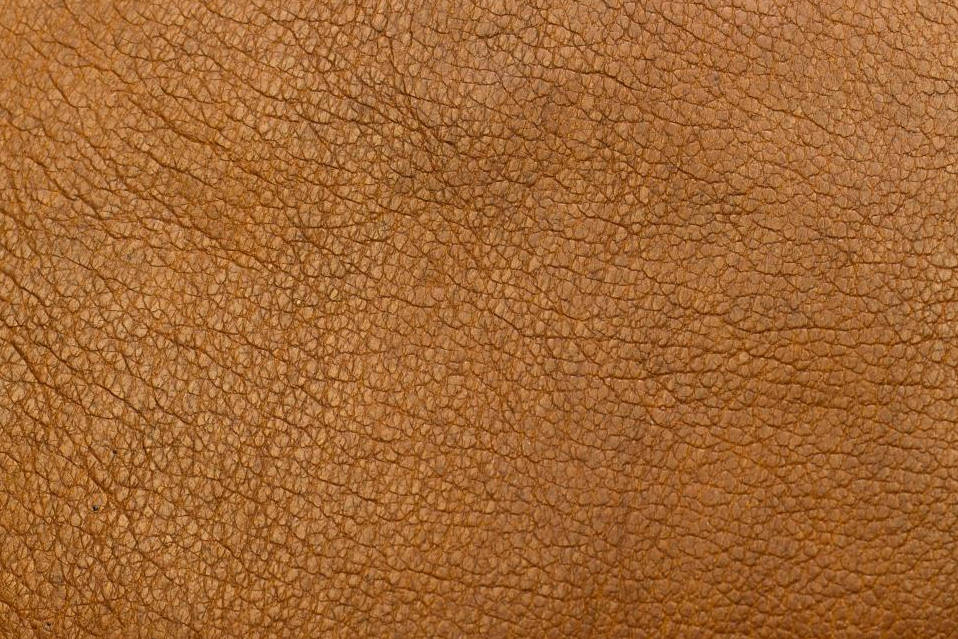
Full grain leather represents the highest quality tier in leather manufacturing. It comes from the outermost layer of the animal hide and retains the complete grain structure, including all natural markings, pores, and texture variations. Unlike lower grades, full grain leather undergoes minimal surface processing—the natural surface remains intact or receives only light finishing.
This preservation of the natural grain means each piece carries unique characteristics. You’ll see natural marks, subtle variations in texture, and individual grain patterns that make each bag genuinely one-of-a-kind.
Key Characteristics
Exceptional Strength and Durability: The intact fiber structure provides superior tensile strength and resistance to wear. Full grain leather bags often outlast their owners, developing character rather than showing age.
Natural Patina Development: Perhaps the most celebrated feature of full grain leather is its ability to develop a rich patina over time. As natural oils from handling interact with the leather, it deepens in color and develops a lustrous sheen that enhances its appearance with age. This aging process transforms the bag from a product into a companion piece with personal history.
Authentic Texture and Feel: The tactile experience of full grain leather is unmatched. The natural grain provides a substantial hand feel, and the leather breathes naturally, making it comfortable to carry even in varying climates.
Breathability: The intact pore structure allows air circulation, preventing moisture buildup and contributing to the leather’s longevity.
Best Used For
Full grain leather is the premium choice for:
- Luxury handbags and briefcases: Where quality justifies price positioning
- Classic business bags: That need to convey professionalism and investment value
- Heritage collections: Emphasizing craftsmanship and longevity
- Investment pieces: Marketed as products that improve with age
Brands positioning in the premium segment should seriously consider full grain leather as their primary material. While the cost is higher, the value proposition—both functional and emotional—supports premium pricing and builds lasting customer loyalty.
2. Top Grain Leather
What It Is
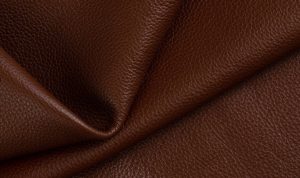
Top grain leather starts as the outer layer of the hide but undergoes surface refinement. Manufacturers lightly sand or buff the surface to remove natural imperfections, scars, and irregular grain patterns. After this process, the leather is typically finished with a protective coating that enhances uniformity and appearance.
This modification creates a more consistent product while maintaining much of the structural integrity of the original hide.
Key Characteristics
Uniform Appearance: The sanding and finishing process creates a smooth, consistent surface across all pieces. This uniformity is valuable for brands requiring color and texture consistency across production runs.
Enhanced Dye Receptivity: The prepared surface accepts dyes more evenly, allowing for precise color matching and broader color ranges. This makes top grain leather ideal for fashion collections requiring specific seasonal colors.
Excellent Durability: While slightly less robust than full grain, top grain leather still offers strong performance. The fiber structure remains dense and resilient, providing years of reliable use.
Balance of Quality and Cost: Top grain delivers premium performance at a more accessible price point than full grain, making it attractive for brands seeking quality without ultra-premium positioning.
Surface Protection: The finishing coats add resistance to stains and moisture, reducing maintenance requirements for end users.
Best Used For
Top grain leather excels in:
- Mid-to-high-end bag collections: Where quality matters but extreme premium pricing isn’t the strategy
- Fashion-forward designs: Requiring specific colors or finishes
- Volume production: Where consistency across thousands of units is essential
- Professional bags: Like laptop carriers or work totes that need durability and professional appearance
For brands seeking the sweet spot between quality, consistency, and cost management, top grain leather often proves ideal. It allows for creative expression through color and finish while maintaining the substance that customers expect from genuine leather.
3. Split Leather
What It Is
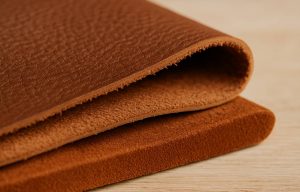
Split leather comes from the lower layers of the hide, separated during the splitting process. After the top grain layer is removed, the remaining fibrous section becomes split leather. Because this layer lacks the natural grain surface, it requires extensive finishing to become usable for bag manufacturing.
Manufacturers typically apply heavy coatings, embossed patterns, or laminate finishes to create an acceptable appearance and provide basic protection.
Key Characteristics
Cost-Effective: Split leather’s primary advantage is price. It allows brands to offer “genuine leather” products at competitive price points.
Requires Surface Treatment: The fibrous nature necessitates coating with polyurethane or other finishes to create a usable surface. These treatments define the leather’s final appearance and performance.
Variable Durability: Quality depends heavily on the finishing process. Well-finished split leather can perform adequately for fashion bags, while poor finishing leads to rapid deterioration.
Aesthetic Flexibility: Because the surface is created through finishing rather than natural, manufacturers can achieve various looks through embossing and coating—from smooth to textured patterns.
Best Used For
Split leather finds its place in:
- Fast-fashion accessories: Where trend responsiveness matters more than longevity
- Seasonal collections: Designed for single-season use
- Budget-conscious product lines: Offering leather at accessible price points
- Promotional items: Where cost control is critical
For brands managing cost-sensitive segments or seasonal fashion pieces, split leather provides a pathway to include genuine leather in the product description while maintaining competitive pricing. However, it’s crucial to set appropriate customer expectations regarding durability and aging characteristics.
4. Genuine Leather: What It Really Means
One of the most misunderstood terms in the leather industry is “Genuine Leather.” Many consumers—and unfortunately, some buyers—interpret this as a quality designation, assuming it indicates authentic, high-quality leather.
The Reality
“Genuine Leather” is not a grade or quality level. It’s a legal term confirming that the product contains real leather rather than synthetic alternatives. However, it doesn’t specify which type or quality of leather.
A product labeled “Genuine Leather” could be:
- Full grain leather (high quality)
- Top grain leather (good quality)
- Split leather (lower quality)
- Bonded leather (leather fibers mixed with adhesives)
Why This Matters for Procurement
As a B2B buyer, relying on “Genuine Leather” claims without specification leaves you vulnerable to quality inconsistencies and customer dissatisfaction. When evaluating supplier proposals or product samples, always request specific information:
- What grade of leather (full grain, top grain, split)?
- What thickness (measured in millimeters or ounces)?
- What tanning method?
- What finishing treatments?
Educating your own customers about leather types, rather than hiding behind vague “Genuine Leather” claims, builds trust and justifies your pricing structure. Transparency creates value.
5. Specialty Leathers Used in Bags
Beyond the basic grades, certain specialty leathers offer unique characteristics that can differentiate your product line.
5.1 Vegetable-Tanned Leather
Process: Uses natural tannins from tree bark, leaves, and other plant materials. The process takes weeks or months, producing leather that’s free from chemical tanning agents.
Characteristics:
- Natural, earthy color that darkens beautifully with age
- Firm, substantial hand feel
- Exceptional ability to develop rich patina
- Environmentally friendlier than chrome tanning
- Holds shape well, ideal for structured bags
- Higher initial cost due to time-intensive process
Best Applications: Heritage collections, artisan products, eco-conscious brands, bags marketed for their aging characteristics.
Vegetable-tanned leather has seen renewed interest as sustainability becomes a purchasing factor. Brands emphasizing craftsmanship, tradition, and environmental responsibility find this leather type aligns perfectly with their values.
5.2 Chrome-Tanned Leather
Process: Uses chromium salts in an industrial tanning process that takes days rather than months. This is the most common tanning method worldwide.
Characteristics:
- Soft, supple texture
- Excellent water resistance
- Stable coloring that doesn’t change significantly with age
- Wide color range possible
- Cost-effective for volume production
- Faster production timelines
Best Applications: Contemporary fashion bags, sporty designs, everyday carry items, products requiring soft drape or specific colors.
For brands operating in fast-moving fashion segments or requiring quick turnarounds on new colors, chrome-tanned leather provides flexibility and reliability.
5.3 Nubuck & Suede
Nature: Created by buffing or sanding the outer surface (nubuck) or using the inner flesh side (suede) to create a soft, velvety texture.
Characteristics:
- Luxurious, tactile surface
- Sophisticated, refined appearance
- More susceptible to staining and water damage
- Requires protective treatments and careful maintenance
- Commands premium pricing for luxury positioning
Best Applications: Evening bags, luxury accessories, premium fashion collections, seasonal special editions.
While beautiful, nubuck and suede require buyer education about care requirements. They’re best suited for brands whose customers appreciate the trade-off between aesthetics and maintenance.
6. How Leather Choice Affects Bag Performance
Understanding the practical implications of leather selection helps align material choices with customer expectations and usage scenarios.
Durability and Longevity
Full grain leather leads in lifespan, often lasting decades with proper care. The intact grain structure resists cracking, tearing, and structural breakdown. Top grain follows closely, with protective finishes adding resistance to daily wear.
Split leather, dependent on its coating quality, may show wear more quickly—edges can peel, coatings can crack, and structural integrity may diminish faster under stress.
Tactile Experience
The hand feel of a bag influences purchasing decisions and user satisfaction. Full grain offers substantial, natural texture that many customers associate with quality. Chrome-tanned leathers provide softness and suppleness, appealing to those prioritizing comfort. Stiff vegetable-tanned leather conveys craftsmanship and structure.
Consider your target customer’s preferences and usage patterns when prioritizing tactile qualities.
Maintenance Requirements
Different leathers demand different care levels:
- Full grain: Benefits from occasional conditioning; develops character naturally
- Top grain: Requires less maintenance due to protective finishes
- Nubuck/Suede: Needs regular brushing, protective sprays, and immediate stain treatment
- Vegetable-tanned: Requires conditioning to prevent drying; embraces natural aging
Match maintenance expectations to your customer’s lifestyle. A busy professional won’t maintain a high-maintenance suede laptop bag, but a fashion enthusiast might cherish the ritual of caring for vegetable-tanned leather.
Expected Lifespan
Set appropriate expectations based on leather type:
- Full grain: 10-30+ years with care
- Top grain: 5-15 years depending on use and quality
- Split leather: 1-5 years for fashion use
- Specialty leathers: Variable based on care and exposure
Aligning product positioning, pricing, and leather selection with realistic lifespan expectations prevents customer disappointment and returns.
7. Choosing the Right Leather for Your Bag Line
Strategic leather selection requires aligning material characteristics with brand positioning, target market, and business objectives.
For Premium/Classic Collections
Recommended: Full grain or high-quality vegetable-tanned leather
These collections benefit from materials that justify premium pricing through exceptional quality, aging characteristics, and emotional connection. The higher material cost is offset by pricing power and lower volume requirements.
Marketing emphasis: Heritage, craftsmanship, investment value, sustainability, aging beauty.
For Contemporary/Daily Use Lines
Recommended: Top grain chrome-tanned leather
Balancing quality, consistency, and cost makes top grain ideal for everyday bags. The protective finishes ensure the bags maintain appearance despite daily use, while the quality remains evident.
Marketing emphasis: Reliability, practical luxury, professional appearance, low maintenance.
For Fashion-Forward/Seasonal Collections
Recommended: Top grain or quality split leather, specialty finishes
Fashion collections benefit from materials offering color flexibility and trend responsiveness. The shorter expected product lifecycle allows for cost optimization through strategic material selection.
Marketing emphasis: Current trends, statement pieces, accessible luxury, seasonal must-haves.
For Budget/Entry-Level Offerings
Recommended: Finished split leather or quality bonded leather
Price-sensitive segments require cost management while maintaining the genuine leather appeal. Clear communication about care and expected lifespan is essential.
Marketing emphasis: Accessibility, style, value, gateway to the brand.
8. Quality Control in Leather Bag Manufacturing
Material selection is only the first step. Rigorous quality control ensures consistent results across production runs.
Raw Material Inspection
Hide Selection: Inspect incoming leather for consistent thickness, minimal defects, and uniform color (within acceptable variation for the leather type). Establish clear acceptance criteria with your manufacturer.
Color Matching: For top grain and split leather, verify color consistency across dye lots. Request samples from each production batch before cutting begins.
Thickness Verification: Measure leather thickness at multiple points. Variations affect structural performance and finishing appearance.
Cutting and Component Preparation
Pattern Optimization: Ensure cutting patterns maximize yield while avoiding defect areas. Skilled cutters work around natural marks in full grain while maintaining aesthetic standards.
Edge Preparation: Check that cut edges receive appropriate treatment—burnishing, painting, or binding—based on leather type and design.
Component Pairing: Match grain patterns and colors for visible paired components (like bag sides or flap pieces).
Assembly Quality Points
Stitching Tension: Verify appropriate tension for the leather type—too tight and stitches may tear through; too loose and structural integrity suffers.
Hardware Attachment: Confirm attachment points are reinforced appropriately for the leather’s strength characteristics.
Structural Integrity: Test stress points like handle attachments and bottom corners, which experience maximum force during use.
Final Product Inspection
Surface Condition: Check for scratches, stains, or finish irregularities.
Color Consistency: Verify all components match within acceptable tolerances.
Functional Testing: Open and close closures, test zippers under load, verify handle comfort and security.
Dimensional Accuracy: Confirm finished products meet specifications.
Implementing these quality control measures consistently ensures your leather bags meet brand standards regardless of production volume or facility location.
Conclusion
In leather bag manufacturing, there is no universally “best” leather—only the most appropriate choice for your specific product, market, and brand positioning. Full grain leather’s exceptional quality serves premium collections, while top grain offers an excellent balance for contemporary lines. Split leather enables cost-effective fashion offerings, and specialty leathers create differentiation opportunities.
Success in leather bag procurement and product development comes from understanding these distinctions and aligning material selection with strategic objectives. A premium heritage brand choosing split leather to save costs risks brand dilution, while a fast-fashion brand over-investing in full grain leather sacrifices margin without commensurate market reward.
As you develop your next collection or evaluate supplier proposals, consider leather selection as a strategic decision, not merely a material choice. Engage with manufacturing partners early in the design process to discuss leather options, review samples, and align on quality standards.
The most successful bag brands view their manufacturing partners as collaborators in material selection, quality control, and product development. This partnership approach, combined with thorough knowledge of leather types and characteristics, positions your brand for sustainable growth in an increasingly quality-conscious market.
Ready to discuss leather options for your next bag collection? Connect with experienced manufacturers who understand that the right leather selection is fundamental to product success. Whether you’re launching a new line or refining existing offerings, informed material decisions create value at every level—from production efficiency to customer satisfaction.
FAQ
1.Is genuine leather real leather?
Yes, genuine leather is real leather, but it is considered a lower grade compared to full grain or top grain leather. It is usually made from the layers of hide that remain after the top grain is split off. While it looks like real leather and is durable, it doesn’t have the same strength, texture, or aging qualities as higher-grade leathers.
2.Which leather lasts the longest?
Full grain leather lasts the longest among all types of leather. It retains the entire natural grain, making it stronger and more resistant to wear and tear. Over time, it develops a beautiful patina that enhances its appearance, unlike lower-grade leathers that may crack or fade faster.
3.How do I choose leather for custom bags?
When choosing leather for custom bags, consider your target market, bag style, and desired durability. For high-end, long-lasting products, full grain or top grain leather is ideal. For fashion or seasonal products, split leather or genuine leather may be sufficient. Also, consider color, texture, and maintenance needs to match your brand and customer expectations.


Thank you so much!