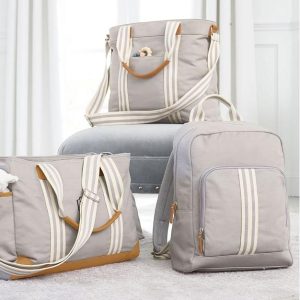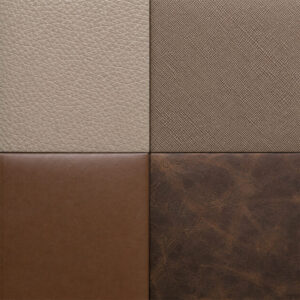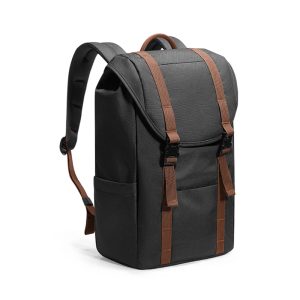
When you pick up an exquisite handbag, your attention is often first drawn to the exterior leather texture, hardware accessories, and silhouette design. However, the elements that truly determine a bag’s intrinsic quality and user experience are often the parts hidden from view—the lining materials.
They not only affect the overall feel, durability, and organizational functionality of the handbag, but also reflect, to a large extent, the brand’s attention to detail. So, what are the most common lining materials available on the market? What characteristics do they possess, and what usage scenarios are they best suited for? Next, we will break them down one by one.
I. Why Is the Lining Important?
The lining plays three key roles in handbag construction.
- First, physical protection: it serves as a buffer layer between the leather and the contents of the bag, reducing direct abrasion to the leather interior caused by hard objects such as keys and cosmetics;
- Second, structural support: a high-quality lining can provide a more stable shape for soft leather bags, preventing them from collapsing or deforming;
- Third, functional organization: through the reasonable arrangement of inner compartments, zipper pockets, and slip pockets, the lining directly affects the user’s storage efficiency.
From the perspective of a Leather bag manufacturer, the selection of lining materials often needs to be determined during the pattern-making stage, because it affects the material calculation, sewing techniques, and labor costs of the entire bag. A handcrafted luxury handbag and a mass-produced everyday commuter bag may adopt completely different lining strategies.
II. Classification and Characteristics of Mainstream Lining Materials
1. Natural Fiber Linings
1.1 Cotton Lining
Cotton materials have remained popular due to their breathability, skin-friendly qualities, and environmental advantages. However, in practical applications, there is no such thing as “one type of cotton fits all”:
- Canvas: As the thickest and most abrasion-resistant representative among cotton linings, canvas is usually woven with a dense plain or twill weave. Its high-density structure provides excellent tear resistance and a firm, structured feel. It is commonly used in large-capacity handbags that require strong support, such as tote bags and doctor bags.
Some brands apply stone-washing or coating treatments to canvas, enhancing water-repellent performance while preserving the natural texture of cotton fibers. However, it should be noted that untreated pure cotton canvas has strong moisture absorption. In humid environments, if it remains in long-term contact with dark-colored leather, there is a risk of dye transfer.
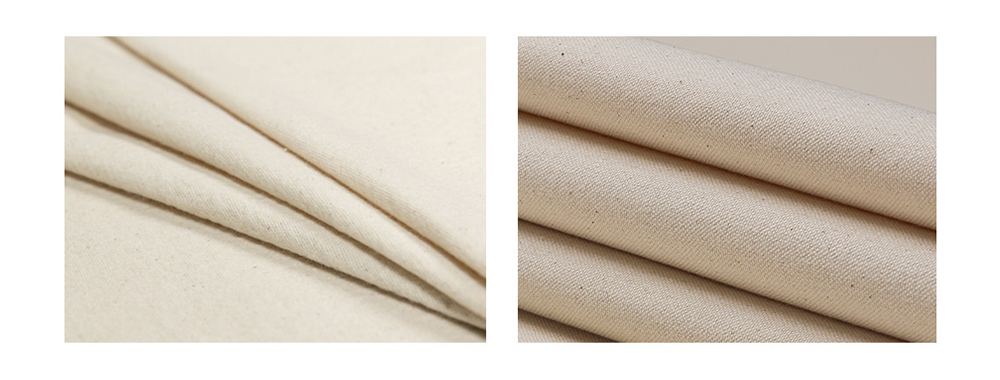
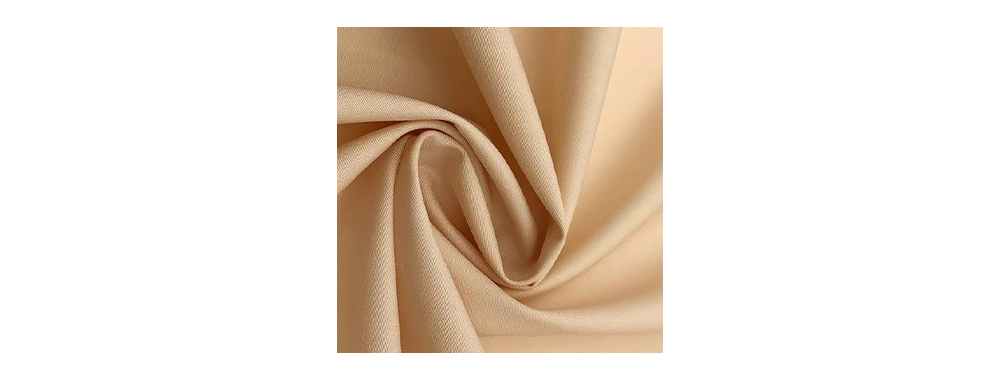
- Poplin: Compared with canvas, poplin is lightweight and fine-textured, with a smooth hand feel and excellent drape. Due to its moderate fabric density and controllable cost, it has become a commonly used cotton lining option for mid-to-high-end handbags. However, poplin has relatively poor abrasion resistance, so it is mostly used in everyday commuter bags designed to carry lightweight items and is less commonly found in business bags that frequently carry hard or rigid objects.
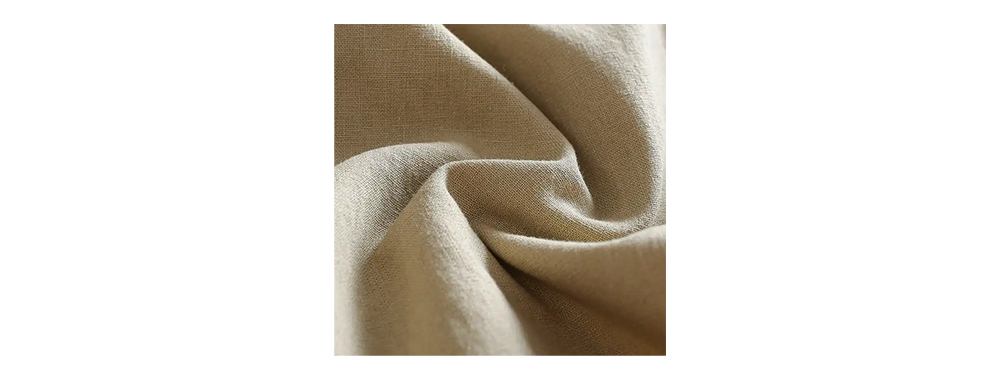
- Cotton-Linen Blend: Typically blended in a ratio of 55% linen + 45% cotton or a similar proportion, this material retains the softness of cotton while adding the natural texture and structured feel of linen fibers. Its style is rustic and artistic, making it particularly well suited to vintage leathers such as vegetable-tanned leather and pull-up leather. However, linen fibers are prone to wrinkling and shrinkage, which places relatively high demands on pre-shrinking treatments and sewing precision.
1.2 Silk & Satin Lining
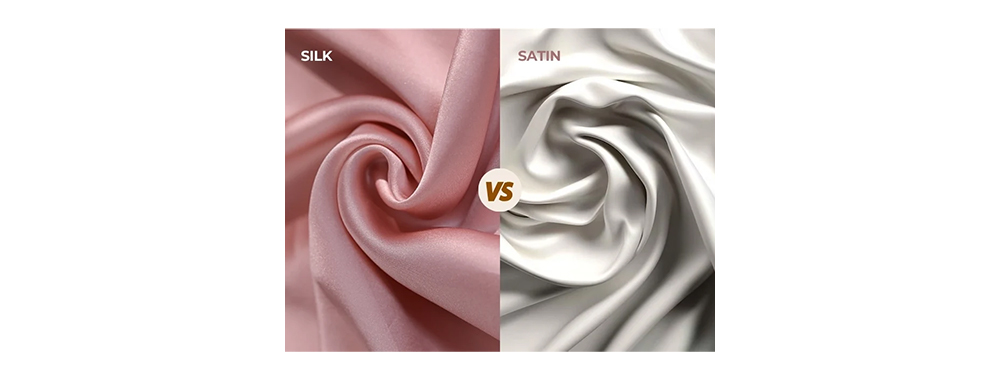
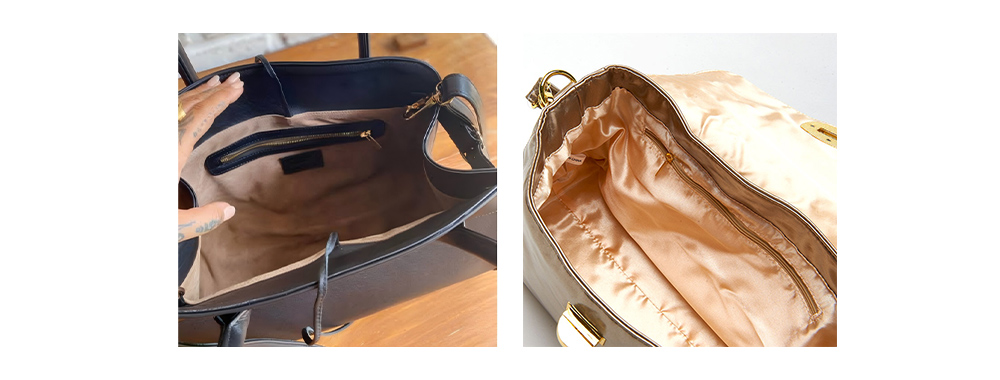
Silk lining is the “invisible luxury” of luxury evening bags and small clutch bags. Mulberry silk or stretch satin offers unparalleled luster and a silky-smooth feel, helping to protect delicate items such as jewelry and scarves from abrasion and snagging.
However, its critical weaknesses are poor abrasion resistance, sensitivity to water and perspiration, as well as its extremely high cost and sewing difficulty (requiring specialized fine needles and low-temperature ironing). Therefore, genuine silk lining is rarely used in everyday commuter bags and is more commonly used as a finishing touch in limited-edition or haute couture collections.
Faux silk satin (polyester satin) is a common alternative. Its luster is similar to that of genuine silk, while its durability and cost are significantly improved. However, its breathability and “cool-to-the-touch” sensation cannot be completely replicated.
2. Synthetic Fiber Linings
2.1 Polyester Lining
Polyester is currently the most widely used category of lining material in leather bag factories, with an extremely diverse range of specifications and applications:
Classified by Denier:
l 210D: Lightweight, thin, and soft, commonly used in small bags or as the base fabric for composite materials. It offers low cost but has limited tear strength.
l 300D–420D: The best-balanced mid-range specification, combining good structure and ease of sewing. It is the default choice for most mid-range leather bags.
Classified by Weave and Surface Effect:
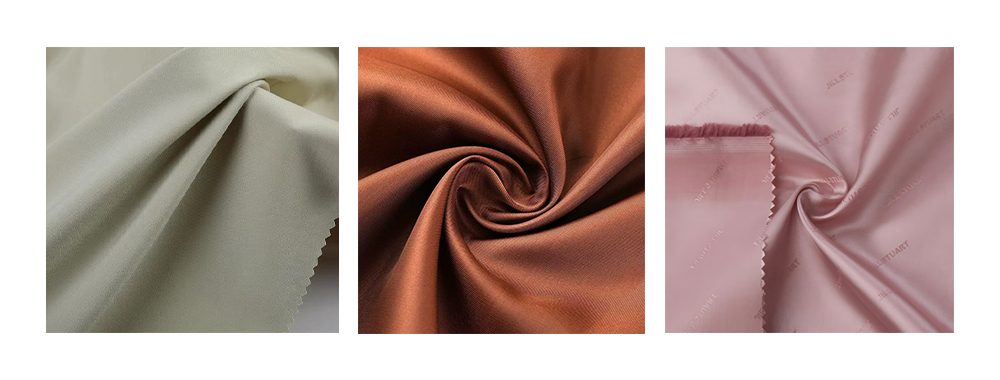
- Plain-Weave Polyester: A basic option featuring a simple warp-and-weft construction and a smooth surface. It has the lowest cost.
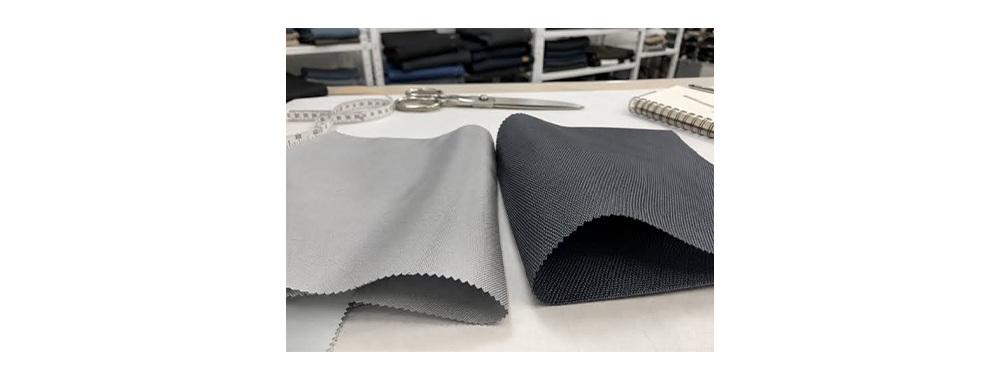
- Twill Polyester: The diagonal texture creates richer visual depth and provides slightly better drape. Its hand feel is also softer than that of plain-weave polyester.
- Jacquard Polyester: Patterns or logos are formed directly during the weaving process using a jacquard loom, eliminating the need for subsequent printing. Custom branded jacquard linings are a common value-added service in leather handbag OEM orders, offering significantly greater product recognition and a more premium appearance than ordinary printed linings.
Classified by Finishing and Coating:
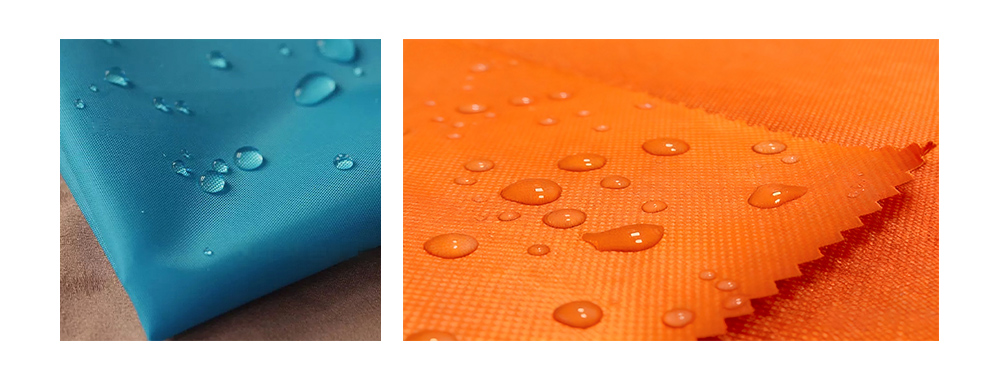
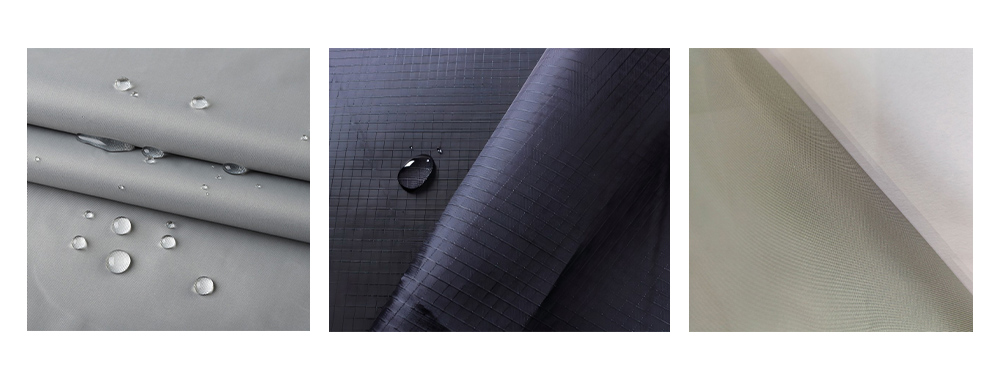
- DWR Water-Repellent Coating: By applying a durable water-repellent (DWR) finish to the surface of polyester, water droplets form beads and roll off the lining surface, effectively preventing stains or internal dampness caused by liquid penetration. This treatment is widely used in handbags designed for outdoor-inspired styles or everyday commuting, and is particularly suitable for pairing with moisture-sensitive leathers such as suede and Nappa leather. However, it should be noted that DWR coatings gradually lose their effectiveness with use and repeated washing. In addition, some fluorinated DWR treatments are gradually being replaced by fluorine-free alternatives due to environmental concerns.
- PU-Coated Polyester: Polyurethane is applied to the back or both sides of the fabric, giving it water-repellent properties while also adding a certain degree of structural stiffness. It is a practical choice for dealing with variable weather conditions.
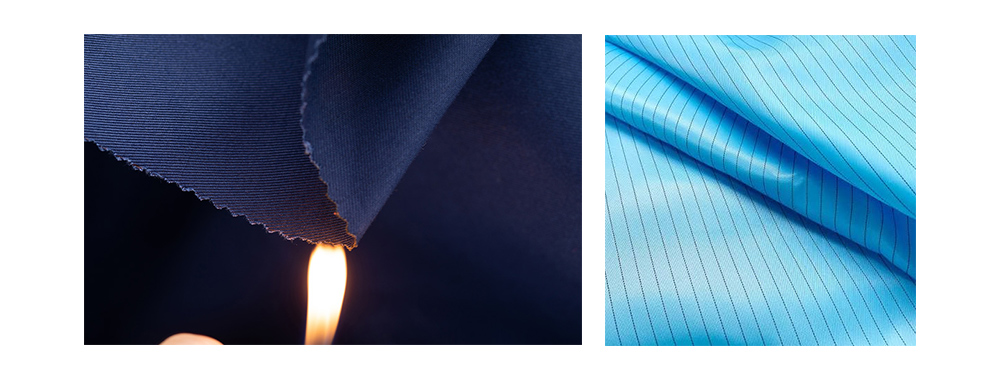
- Flame-Retardant and Anti-Static Treatments: For specific market requirements (such as aviation and high-end business applications), some polyester linings undergo flame-retardant or anti-static finishing treatments. The former improves the material’s ability to self-extinguish after being removed from a flame by incorporating phosphorus- or nitrogen-based flame retardants. The latter reduces static electricity and the resulting adsorption caused by friction during autumn and winter by incorporating conductive fibers or applying anti-static agents to the surface. Such functional treatments typically increase costs slightly and may also affect the hand feel of the fabric.
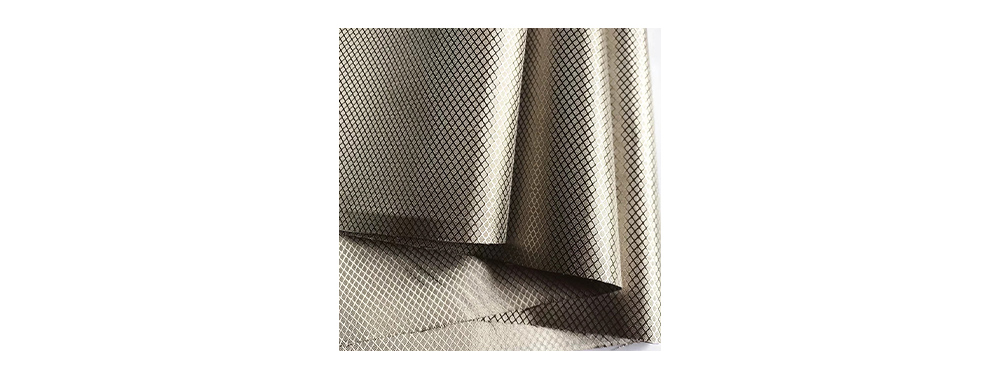
- Magnetic Shielding Fabric: Metal magnetic shielding fabric incorporates extremely fine metal fibers, typically stainless steel or nickel alloys, into a polyester base fabric to form a composite lining with electromagnetic shielding capabilities. Such materials are primarily used in high-end business handbags or tech accessory storage bags, with the aim of protecting magnetically sensitive items such as credit cards, access cards, and smartwatches from interference caused by external magnetic fields.
2.2 Nylon Lining
Nylon (polyamide) has a molecular structure that makes it tougher and more abrasion-resistant than polyester, while also naturally possessing a certain degree of resilience:
- 190T/210T Nylon Taffeta: The “T” represents the density of the taffeta fabric. It has a fine, smooth surface, a soft luster, and an extremely lightweight construction. It is commonly used in lightweight bag designs, but its tear resistance is inferior to that of Oxford weave fabrics.
- 210D Nylon Ripstop Fabric/Mesh: Reinforcement threads are woven into both the warp and weft directions to form a grid or crosshatch pattern, providing exceptional tear resistance. Even when damaged, the tear is unlikely to spread easily.
- 210D Twill Nylon: Featuring a twill weave pattern, it has a softer hand feel than plain-weave fabrics and a subtle luster that conveys understated luxury. It has a smooth hand feel, along with excellent abrasion resistance and tear resistance.
3. Faux Suede and Microfiber Linings
3.1 Microfiber Lining
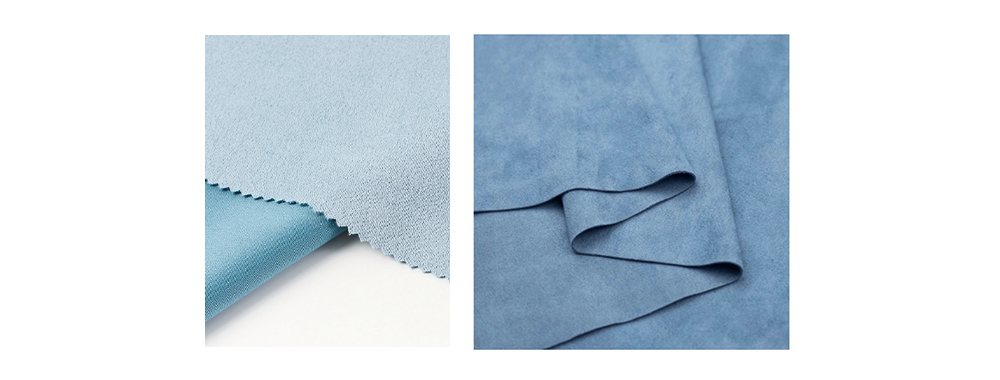
Microfiber is made from extremely fine fibers (with a single-filament fineness of less than 0.3 denier) produced through sea-island composite spinning technology. These fibers are then processed into nonwoven fabric through needle punching or spunlacing, and finally treated with polyurethane impregnation and napping to create a suede-like texture. It can be further divided into the following types:
- Single-Sided Napped Microfiber: One side retains the texture of the base fabric (making it easier to bond with leather or sponge), while the other side is napped to create a soft, velvety feel. This is the most common form of handbag lining, offering a good balance between cost-effectiveness and processing adaptability.
- Double-Sided Napped Microfiber: Both sides undergo napping treatment, resulting in an evenly distributed, fine, velvety texture and a premium hand feel. It is commonly used for inner pockets or full linings in high-end handbags. However, it places extremely high demands on sewing techniques—the edges must be laser-cut or sealed using ultrasonic edge sealing; otherwise, the fibers are prone to shedding.
The standout advantages of microfiber are that it is lint-free, colorfast, and washable, while posing virtually zero risk of scratching delicate items such as glasses, watches, and smartphone screens.
3.2 Flocking Lining
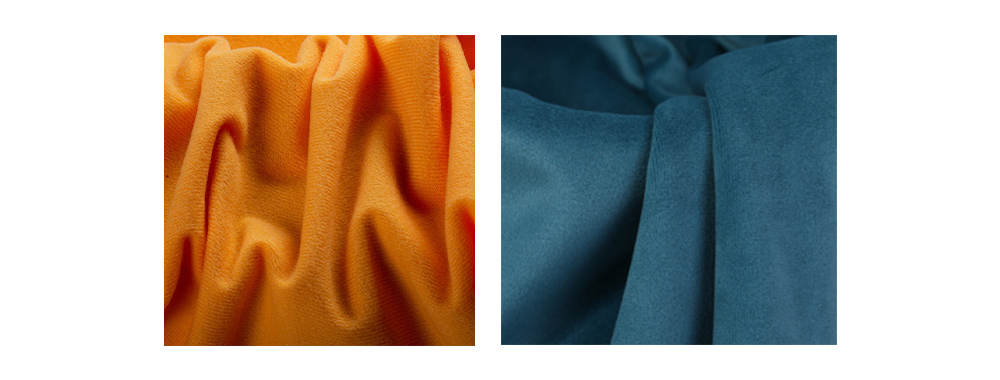
Flocking fabric is made by electrostatically bonding short fibers (nylon or viscose fibers) onto the surface of a base fabric, typically polyester or cotton, to create a soft, velvety surface. Compared with microfiber, it has a fuller, more plush texture, but localized fiber shedding may occur after prolonged use. It is primarily used in mid- to low-end handbags or as an accent material in selected areas of inner pockets.
4. Genuine Leather Linings
4.1 Classified by Leather Type
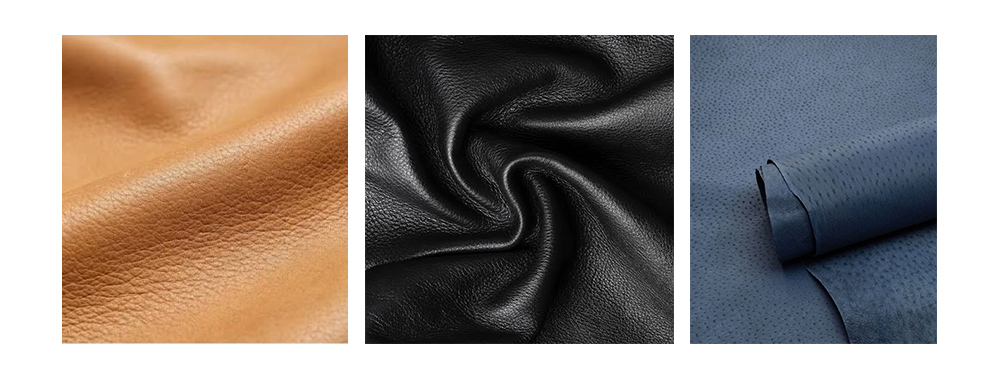
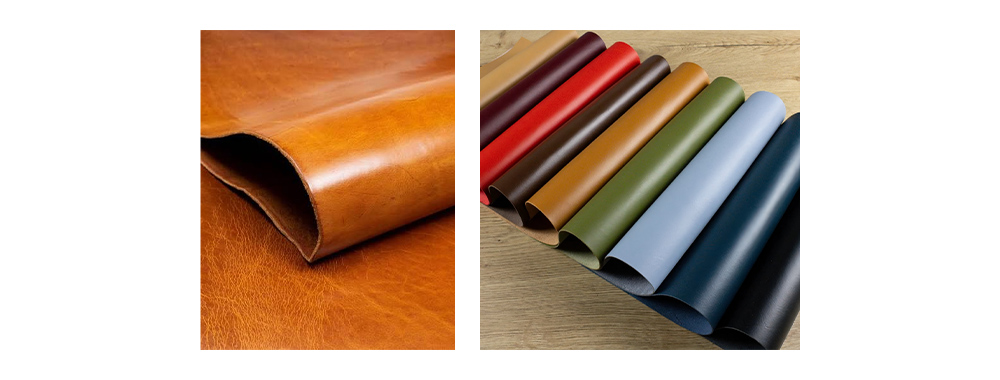
- Calfskin Lining: Fine-grained, soft to the touch, and highly durable, calfskin is considered the gold standard for full-leather linings. However, because each hide has a limited usable area, linings for larger handbags require multiple pieces to be joined together.
- Lambskin Lining: Lighter and softer than cowhide, with excellent flexibility and extensibility, lambskin is suitable for small handbags or designs that need to conform to complex curves. However, its abrasion resistance and tear strength are inferior to those of cowhide, and its price is generally higher.
- Pigskin Lining: Featuring large pores arranged in groups of three, pigskin offers the best breathability among genuine leathers. However, its surface texture is relatively coarse and lacks visual refinement, so it is mostly used for localized areas of inner pockets or concealed linings.
4.2 Classified by Tanning and Finishing Processes
- Vegetable-Tanned Leather Lining: Tanned using plant-based tannins without chemical chromium salts, this leather is environmentally friendly and highly moldable, developing a rich patina and changing color naturally over time. However, it is prone to water staining, and its color selection is relatively limited, primarily consisting of natural and brown tones.
- Chrome-Tanned Leather Lining: Superior to vegetable-tanned leather in terms of softness, color variety, and water resistance, chrome-tanned leather serves as the foundation for most colored genuine leather linings. Attention should be paid to the issue of hexavalent chromium residues, and export orders must comply with regulatory limits under regulations such as REACH.
5. New and Functional Lining Materials
5.1 Recycled and Sustainable Materials
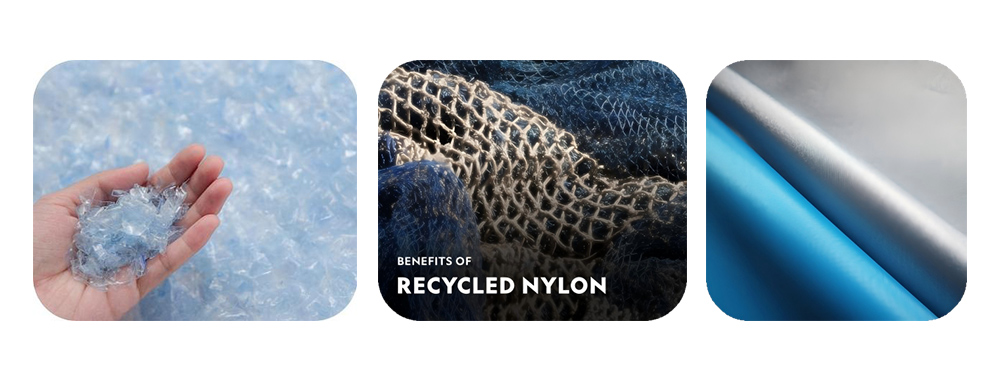
- rPET Recycled Polyester: Made by spinning and reprocessing recycled plastic bottles, rPET has a carbon footprint approximately 50%–70% lower than that of virgin polyester. Currently, 210D–600D rPET lining materials can achieve physical performance that is almost indistinguishable from virgin polyester, making them a commonly used eco-friendly solution in leather bag OEM projects.
- Recycled Nylon: Recycled nylon primarily comes from discarded fishing nets, industrial waste yarn, or post-consumer nylon products. These materials are converted into recycled chips through chemical depolymerization or mechanical recycling processes and then spun into fibers. Their mechanical properties are highly comparable to those of virgin nylon. In particular, 210D–420D specifications have already been adopted by brands for mid- to high-end leather handbag linings.
III. Lining Material Selection Recommendations for Different Bag Styles
Ultimately, theory needs to serve specific product development needs. The following recommendations combine the structural characteristics and usage scenarios of common bag styles to provide leather handbag brands with directly applicable guidance on lining material selection.
| Bag Style | Preferred Lining | Alternative Options | Key Considerations |
| Tote Bag | Cotton canvas / Polyester, Nylon | Cotton-linen blend / Composite felt | Load-bearing support, resistance to bottom abrasion, stain resistance |
| Briefcase / Business Bag | Nylon taffeta / Jacquard polyester | Poplin cotton / Localized microfiber (laptop compartment) | Lightweight construction, professional appearance, device protection |
| Crossbody / Messenger Bag | Twill polyester | Cotton poplin | Resistance to abrasion from frequent opening and closing, smooth access, moderate water resistance |
| Clutch / Evening Bag | Silk satin / Double-sided napped microfiber | Faux silk satin | Luxurious hand feel, protection of jewelry and silk items, lightweight construction |
| Mini Bag / Small Box Bag | Cotton poplin / 210D nylon | Thin microfiber (single-sided napped) | Efficient use of interior space, minimizing added weight, basic protection |
| Travel Bag / Luggage Bag | PU-coated polyester / Waterproof nylon Oxford fabric | Nonwoven fabric + PE film composite lining (for high-protection requirements) | High-capacity load bearing, waterproofing and stain resistance, easy cleaning |
| Leather Backpack | 210D polyester / 210D nylon mesh fabric | Cotton canvas (vintage style) / Breathable mesh fabric (back panel area) | Back ventilation, tear resistance at shoulder-strap attachment points, long-term load bearing |
| Bucket Bag | Polyester / Cotton poplin | Faux suede | Smooth drawstring/magnetic closure operation, control of a soft or slouchy shape |
For factories handling leather handbag OEM projects, understanding the brand’s positioning of the bag style and its intended usage scenario is a prerequisite for accurately matching the appropriate lining solution.
IV. FAQ: Frequently Asked Questions About Leather Handbag Linings
Q1: Does the lining material affect the overall structure and stiffness of a handbag?
A: Yes, and the impact can be significant. Soft lining materials (such as thin cotton fabric and low-denier polyester) provide almost no structural support to the bag, while high-density fabrics, composite felt, or rigid nonwoven linings can provide a “skeleton” for soft leather. If you want a soft-leather tote to remain upright without collapsing, choosing a structured lining or adding an interlining layer is a more economical solution than simply using thicker leather.
Q2: Can lining materials be fully customized according to the brand’s requirements in OEM orders?
A: Yes, but there are practical minimum order quantity (MOQ) requirements. For leather handbag OEM projects, standard stock linings (standard colors and specifications) typically have no MOQ restrictions. Customized jacquard patterns, exclusive dyeing, or special coating treatments generally require an MOQ of approximately 500–1,000 meters, depending on the production scheduling requirements of the weaving and dyeing mills.
Q3: Are environmentally friendly recycled linings (such as rPET) inferior to virgin materials in terms of performance?
A: Under current textile technology, the physical performance of recycled rPET polyester (strength, colorfastness, and abrasion resistance) can reach more than 95% of that of virgin polyester. In everyday handbag applications, ordinary consumers can hardly perceive a difference. The main distinction is that recycled fibers have slightly lower batch-to-batch consistency than virgin fibers.
Q4: Is a full-leather lining necessarily “better” than a fabric lining?
A: Not necessarily. A full-leather lining is unmatched in terms of consistency of texture and luxurious feel, but it is heavier, more expensive, more sensitive to humidity and temperature, and lacks the “forgiving nature” of fabric linings—internal scratches cannot be repaired. For handbags that are used frequently, need to remain lightweight, or often carry hard objects, a high-quality microfiber or high-density polyester lining may be a more rational choice. Whether one option is “better” depends on how you define “better”: ultimate luxury or practical durability.
Q5: How can you determine whether a handbag’s lining craftsmanship meets the required quality standards?
A: There are several straightforward inspection points:
- Flatness: The lining should fit closely against the leather, without bubbling or loose wrinkles (except for intentional wrinkles in soft-bag designs).
- Edge Finishing: The edges of the lining should be bound, overlocked, or laser-sealed, with no exposed frayed edges.
- Reinforcement at Stress Points: The inner sides of zipper ends, corners of inner pockets, and areas where handles are attached should have additional bar-tacking or backstitch reinforcement.
- Colorfastness: Firmly rub the surface of the lining with a white dry cloth. There should be no obvious color transfer, especially with dark-colored linings.
Q6: Should the lining color match the exterior leather or contrast with it?
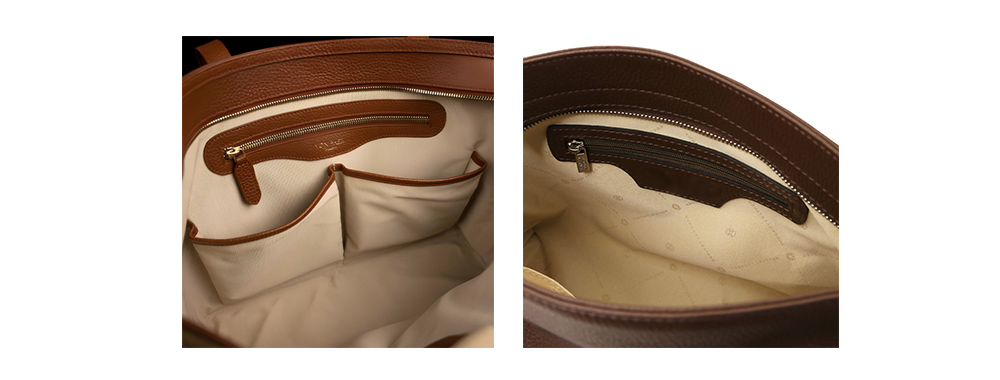
A: There is no standard answer, but there is a design logic behind each approach. Matching tones (such as brown exterior leather + beige lining) create a harmonious, sophisticated, and classic visual impression with a high degree of tolerance for design variations. Contrasting colors (such as black exterior leather + red lining) create a memorable visual accent and an element of surprise when the bag is opened, but they require greater control over color coordination; if the combination is poorly executed, it can look inexpensive. Neutral-colored linings (gray, beige, and camel) are the safest choice and can coexist harmoniously with most exterior leather colors.