If you’re sourcing handbags, backpacks, or accessories for your brand, you’ve likely asked this question: Is PU leather durable enough for my product line?
The short answer is yes—when it’s made right. But durability in PU leather isn’t a simple yes-or-no matter. As someone who has spent over two decades in bag manufacturing, I can tell you that the lifespan of PU leather depends heavily on material grade, construction, and how the end product is used.
Let’s break it down.
1. What Is PU Leather?
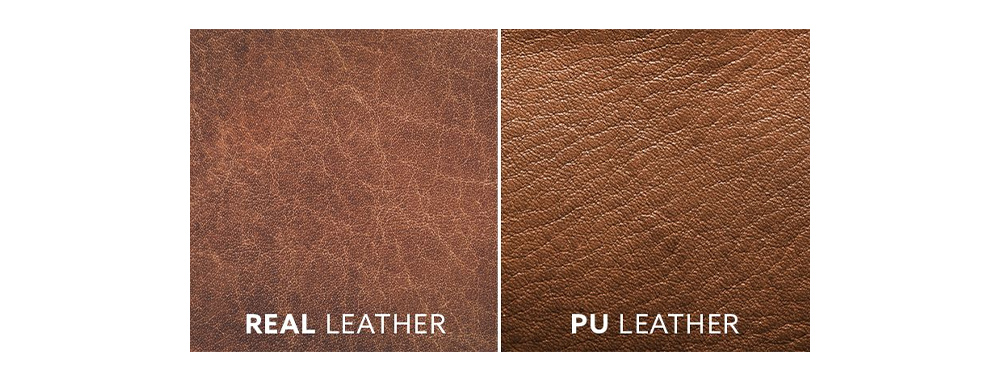
PU (polyurethane) leather is a synthetic material made by coating a fabric base—usually polyester or cotton—with a layer of polyurethane. Unlike genuine leather, it doesn’t come from animal hide, which makes it more affordable, easier to customize, and often more consistent in color and texture.
But here’s the key: not all PU leather is created equal. The thickness of the coating, the quality of the base fabric, and the bonding process all determine whether your bag will last two seasons or five years.
2. What Affects PU Leather Durability?
2.1 Coating Thickness
A thicker PU coating generally offers better abrasion resistance. For high-wear items like daily-use handbags or backpacks, we typically recommend a coating of 0.9mm to 1.2mm or more. Thinner PU (0.5mm–0.7mm) works well for fashion items with lighter use but may crack or peel faster under stress.
2.2 Base Fabric Quality
The fabric underneath the PU coating is the skeleton of the material. A high-density woven base provides structural integrity and prevents the surface from tearing. Low-quality base fabrics are often the real reason PU leather fails—not the PU layer itself.
2.3 Surface Finish
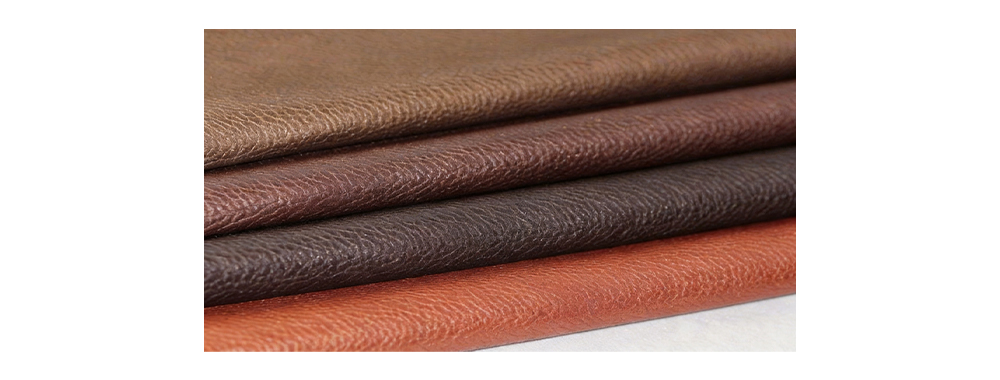
PU leather comes in various finishes: smooth, embossed (like Saffiano), matte, or patent. Embossed and cross-hatch finishes tend to hide wear better than high-gloss surfaces, which can show scratches more easily.
2.4 Usage Environment
PU leather performs well in normal conditions, but extreme heat, prolonged UV exposure, or contact with oils and alcohol-based cleaners can accelerate aging. For outdoor or heavy-duty applications, specialized PU formulations with added UV stabilizers may be necessary.
3. PU Leather vs. Genuine Leather vs. PVC
| Feature | PU Leather | Genuine Leather | PVC Leather |
| Durability | Good to very good (grade-dependent) | Excellent (with care) | Moderate (stiffer, prone to cracking) |
| Weight | Lightweight | Heavier | Heavier |
| Cost | Affordable | Premium | Low |
| Customization | High (color, texture, embossing) | Limited by hide | Moderate |
| Eco-Friendliness | Better than PVC; RPET-backed options available | Biodegradable but resource-intensive | Less eco-friendly |
For many brands, PU leather hits the sweet spot: it offers the look and feel of leather at a manageable cost, with enough durability for everyday fashion and lifestyle products.
4. How to Make PU Leather Products Last Longer
If you’re developing a product line with PU leather, here are a few design and care tips to share with your end customers:
- Avoid overloading the bag, as stress on seams can cause the PU surface to split at high-tension points.
- Store in a cool, dry place away from direct sunlight to prevent the coating from drying out.
- Clean with a damp cloth only—harsh chemicals can degrade the polyurethane layer over time.
- Choose reinforced stitching at stress points (handles, straps, base corners) during production.
5. Sourcing Tip: Ask Your Manufacturer the Right Questions
When evaluating a supplier for PU leather goods, don’t just ask for a price. Ask:
- What is the coating thickness and base fabric density?
- Has the material passed abrasion testing or peel strength testing?
- Can you provide sample aging tests or colorfastness reports?
- Do you offer eco-friendly PU options (water-based PU, RPET backing)?
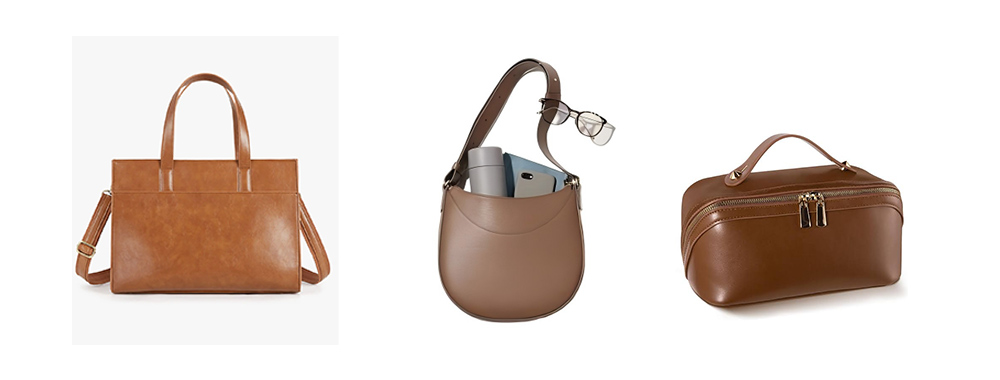
At Huahong, we guide our clients through material selection based on their target price point, usage scenario, and brand positioning. Whether you need a budget-friendly fashion tote or a rugged everyday backpack, the right PU leather specification makes all the difference.
6. FAQ
Q1: What is the typical service life of high-quality PU leather?
A:Under normal daily use conditions (avoiding prolonged exposure to direct sunlight and excessive loading), high-quality PU leather with a coating thickness of 0.9mm or above can typically last 3–5 years. For lightweight fashion handbags, the service life can be further extended with proper care. For frequently used commuter backpacks, it is recommended to choose PU leather with a thickness of 1.0mm or above and combine it with reinforced stitching techniques.
Q2: What are the common causes of cracking or peeling in PU leather?
A:The most common causes include three factors:
① Insufficient coating thickness (less than 0.7mm) combined with low-density backing fabric, which causes surface fatigue after repeated bending;
② Long-term exposure to high temperatures or ultraviolet radiation, which accelerates the aging process of the polyurethane coating and makes it brittle;
③ Contact with solvents such as alcohol or ammonia-based cleaners, which can damage the bonding layer between the coating and the backing fabric.
Choosing the right material grade and using it correctly can significantly reduce these risks.
Q3: What are some simple ways to evaluate the durability of PU leather?
A:Fold the material and apply pressure to observe whether whitening or cracking appears along the crease. You can also lightly scratch the surface with a fingernail to check the coating’s adhesion strength.
Q4: Will eco-friendly PU (such as water-based PU and recycled fiber backing fabrics) have reduced durability?
A: Not necessarily. The durability of water-based PU depends on the maturity of the formulation. Currently, mainstream water-based PU products are already close to traditional solvent-based PU in terms of abrasion resistance and hydrolysis resistance.
For PU leather using RPET recycled polyester as the backing fabric, durability is more closely related to the weaving density of the backing fabric itself and is not directly associated with whether the material is recycled.
It is recommended to request physical property test reports from suppliers for side-by-side comparisons of materials with the same performance grade.
Q5: Is PU leather suitable for outdoor or sports bags?
A:Standard PU leather performs reasonably well in normal outdoor conditions, but it is not recommended for long-term exposure to direct sunlight or high-humidity environments.
If a brand’s positioning involves outdoor, travel, or sports bags, it is recommended to specify functional PU with added UV stabilizers and hydrolysis-resistant formulations, or consider using PU leather for decorative panels and accent areas rather than primary load-bearing sections.
Q6: What are the differences in durability between PU leather and microfiber PU (Microfiber PU)?
A:The backing fabric of microfiber PU is made from three-dimensional interwoven ultrafine fibers, giving it a structure that is closer to the collagen fiber structure of genuine leather. As a result, it generally offers better tear resistance, bursting strength, and service life compared with standard PU leather.
If your brand is positioned in the mid-to-high-end market and the products need to withstand frequent use (such as business commuter bags and functional backpacks), microfiber PU is a more reliable choice. However, its unit cost is correspondingly higher.
Conclusion
Yes, PU leather is durable—provided you choose the right grade and work with a manufacturer who understands material science. It’s not a compromise; it’s a strategic choice. For fashion handbags, promotional bags, and everyday accessories, high-quality PU leather delivers excellent value, consistent aesthetics, and reliable performance.
Looking to develop your next bag collection?
Contact our team to discuss material options, sampling, and bulk production tailored to your brand.