In the fashion world, there’s a saying: “If you buy the most expensive bag you can afford, you’re actually saving money.”Sounds counterintuitive? Experienced buyers know there’s a market logic behind it. In 2026, with fluctuations in the luxury market and the resurgence of classic pieces, buying a bag is no longer just consumption—it’s more like a form of “liquid asset allocation.”
As a team with years of experience in handbag manufacturing, we want to show you why those Hermès Birkins, CHANEL Classic Flaps, and Lady Diors—each costing tens of thousands—are worth their price. Put the brand name aside, and their craftsmanship and value may surprise you.
Today, we’ve compiled the Top 10 Luxury Handbag Brands of 2026, based on resale value and manufacturing complexity. At the same time, considering current industry trends, we share dual insights for both brands and manufacturers. Whether you are a brand buyer, designer, or a fellow seeking OEM/ODM partnerships, this guide will help you truly understand what makes a top-tier luxury handbag.
I. Top 10 Luxury Handbag Brands of 2026
Tier 1: Financial-Grade Assets
Keywords: Scarcity, Fully Handmade, Manufacturing Barriers
Bags in this tier are no longer just a matter of “wanting to buy.” They carry financial attributes, backed by a nearly impossible-to-replicate system of craftsmanship.
1. Hermès
2026 Ranking: No.1
Must-Have Icons:
- Hermès Birkin 25
- Hermès Kelly 25
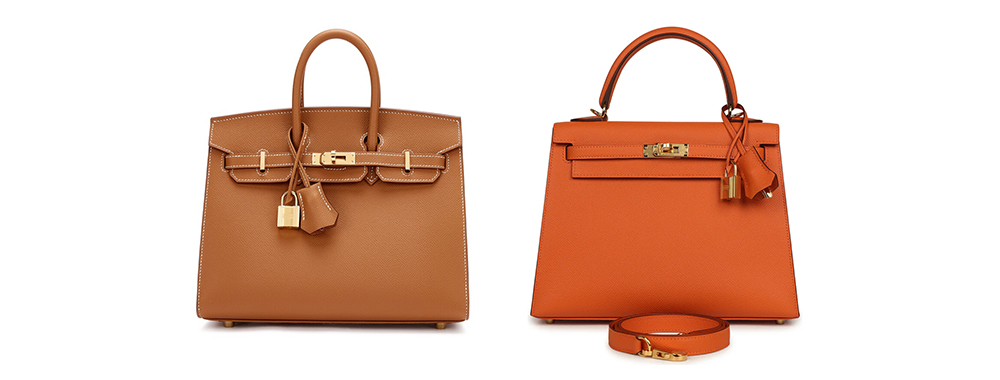
Craftsmanship Challenges: Why is Hermès’ status unshakable? Because its production logic is the opposite of industrialization. Each Birkin is crafted entirely by a single artisan, start to finish. The signature saddle stitch is hand-sewn, one stitch at a time, on a wooden clamp. The production of a single bag can take up to 48 hours.
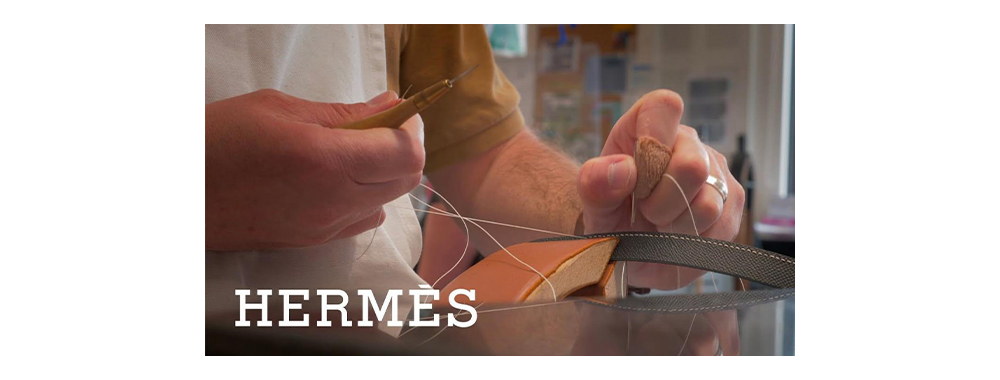
Saddle stitching typically uses waxed thread. Hermès employs linen thread coated with beeswax, and the tension of each stitch—as well as the waxed thread itself—is entirely controlled by the artisan’s experience. Industrial machinery cannot replicate this level of manual precision. Even if a thread breaks in a localized area, only the affected section needs to be repaired, rather than reworking the entire piece. This meticulous craftsmanship is a key reason why Hermès handbags consistently maintain high repairability and strong long-term value.
Beyond stitching techniques, Hermès also maintains exceptionally strict standards for leather selection, with less than 10% of raw hides passing the final inspection. Each type of leather undergoes its own specialized processing standards, further raising the manufacturing barriers within the industry. This commitment to handcrafted excellence and strict control over scarcity ensures that Hermès’ classic models consistently command a premium on the secondary market, firmly securing their position at the top of the luxury handbag hierarchy.
2. CHANEL
2026 Ranking: No.2
Must-Have Icons:
- CHANEL Classic Flap
- CHANEL 22 Bag
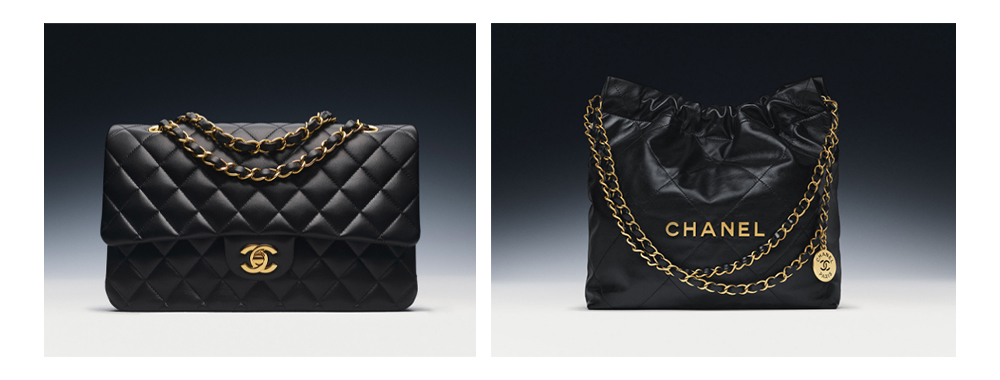
Craftsmanship Challenges: CHANEL’s true test of manufacturing lies in its leather-interlaced chain and signature quilting. The leather-interlaced chain requires cutting leather into ultra-thin strips and threading it through the chain in reverse, achieving both smoothness and durability. For the quilted pattern, the stitching must align perfectly with the internal padding—any misalignment, and the diamond pattern will collapse.
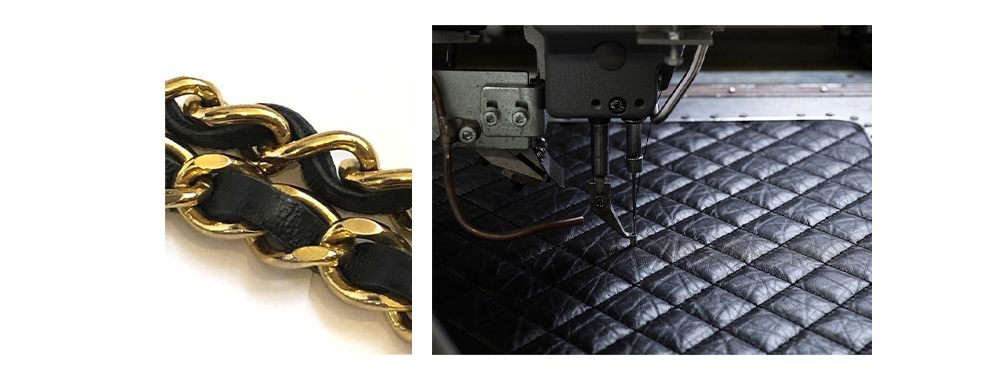
The classic quilted pattern is not only a signature design of Chanel but also demands extremely high precision in craftsmanship. The spacing of each diamond must be controlled within 1 millimeter; even a slight deviation can disrupt the overall sense of symmetry. This is a key reason why many replicas struggle to reproduce the same texture and quality.
In addition, Chanel exercises strict control over leather selection. The lambskin commonly used for the iconic CF bag must be sourced from flawless full-grain hides to achieve a delicate, soft touch with a natural sheen. Coupled with the brand’s long-standing small-batch, handcrafting production model, this further raises manufacturing barriers. As a result, popular styles remain highly scarce and retain strong resale value, consistently commanding stable premiums on the secondary market.
Tier 2 : Steady Performers with Growing Strength
Keywords: Classic coated canvas, structured hardware, understated luxury
Brands in this tier no longer rely on oversized logos. Instead, they captivate high-net-worth consumers in 2026 through exceptional leather craftsmanship and a precise understanding of the “Quiet Luxury” trend.
3. Louis Vuitton
2026 Ranking: No.3
Must-Have Icons:
- LV Speedy Bandoulière 20
- LV Side Trunk
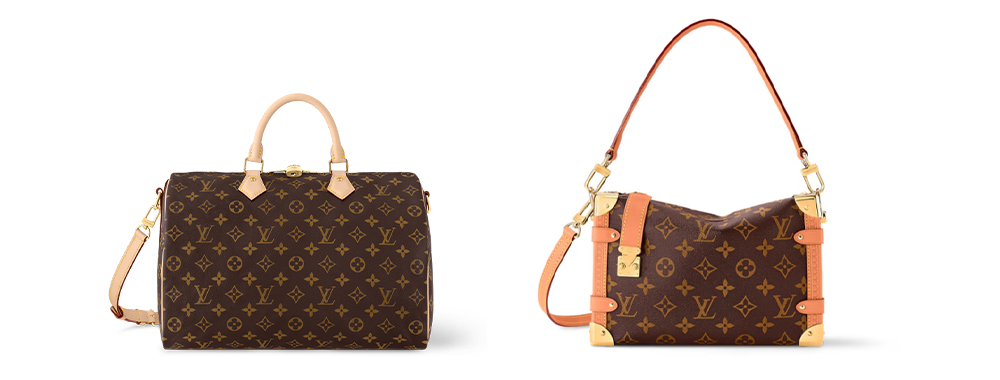
Craftsmanship Challenges: LV’s Monogram canvas is not genuine leather but coated cotton-linen. The main challenge lies in maintaining a uniform coating thickness—too thin, and it won’t be waterproof; too thick, and it can crack easily. Additionally, the Speedy’s classic vegetable-tanned leather handles develop a patina over time, which places extremely strict demands on the leather’s origin and fat content.
Another challenge is pattern symmetry. No matter how the canvas is cut, each Monogram must remain perfectly symmetrical, generating extra corner scraps and increasing manufacturing costs.

Even when using only half of a leather hide, Louis Vuitton requires that the pattern remains complete and perfectly symmetrical—an uncompromising standard to ensure brand visual consistency. Ordinary replicas, aiming to cut costs, can hardly achieve this level of precision.
Finally, the hardware finishing is another critical detail. LV’s iconic brass hardware undergoes multiple layers of plating to ensure long-term resistance to fading and oxidation, while maintaining an even, lustrous appearance. These meticulous controls over details collectively support the brand’s decades-long market recognition and consistent resale value.
4. Dior
2026 Ranking: No.4
Must-Have Icons:
- Lady Dior
- Dior Book Tote
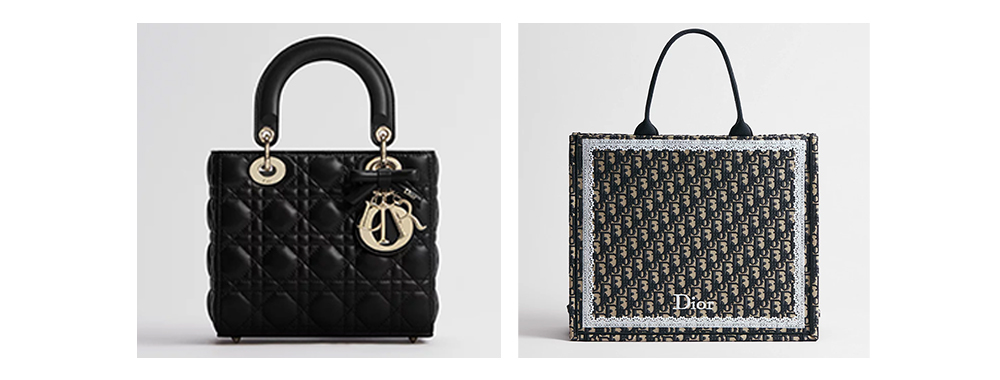
Craftsmanship Challenges: The Cannage quilting on the Lady Dior requires that hundreds of diamond shapes on a single bag maintain perfectly consistent depth and spacing. Achieving this demands extremely precise programming of computerized pattern machines. The Book Tote’s large-scale embroidery tests whether a factory has high-stitch-count embroidery machines, tension control technology to prevent fabric distortion, and meticulous corner finishing skills.
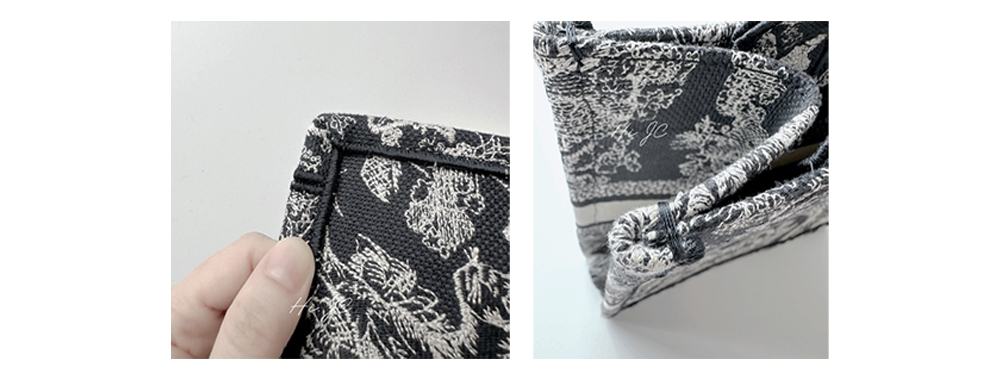
A complete embroidered pattern requires hundreds of thousands of stitches, and even a slight mismanagement of tension can cause the fabric to wrinkle or the pattern to skew, resulting in a high rejection rate.
In addition, the iconic removable metal badges of the Lady Dior require multiple processes—molding, polishing, electroplating, and buffing—before they achieve a uniform, delicate luster. The weight and texture of the finished product are noticeably different from cheap imitations. As a classic, evergreen piece, the Lady Dior has maintained stable value over the years. Combined with the Book Tote, which has become a popular choice for everyday commuting due to its minimalist and practical design, Dior firmly holds the fourth position in 2026.
5. Bottega Veneta
2026 Ranking: No.5
Must-Have Icons:
- BV Andiamo
- BV Jodie
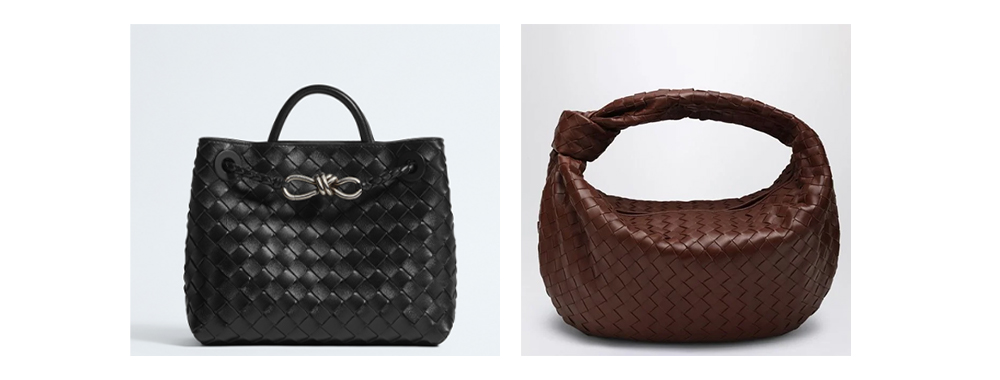
Craftsmanship Challenges: Even without a logo, the Intrecciato leather weave instantly identifies a Bottega Veneta bag. This technique involves first cutting a full leather hide into strips of equal width, then weaving them by hand, strip by strip. A single Bottega Veneta bag typically consumes 3–4 times more material than a standard handbag, as the leather edges must be flawlessly smooth—any roughness would cheapen the look.
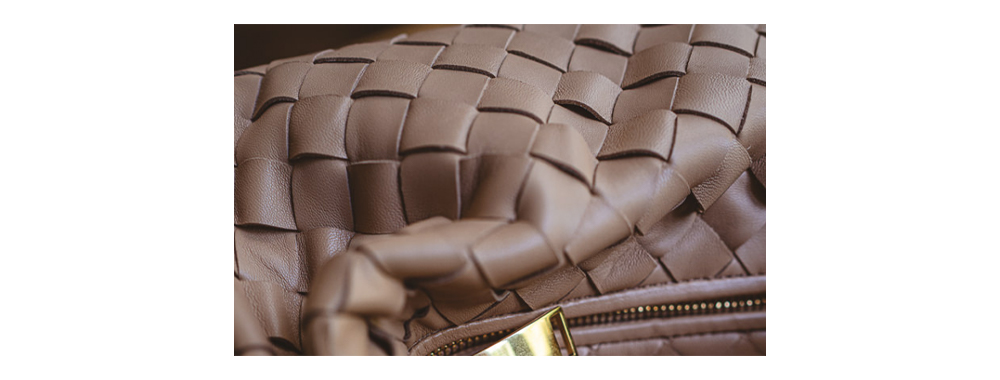
To ensure a tight and even woven texture, artisans must constantly adjust the tension of each leather strip during the weaving process. The strips must neither be too loose, which would cause the bag to sag and lose its shape, nor too tight, which could create stretched creases. This demands exceptional skill and experience from the craftsmen.
The Andiamo, a recent hit in the everyday commuter segment, optimizes the bag’s structure while retaining the classic woven technique, resulting in a firm silhouette better suited for daily use. Meanwhile, the Jodie, with its relaxed, slouchy shape and more accessible entry price, has consistently been one of the brand’s top-selling models. The combination of these two pieces—one premium, one approachable—perfectly aligns with the understated luxury trend and has helped Bottega Veneta secure the fifth spot.
Tier 3: Trendsetters
Keywords: Metallic Finish, Sustainable Materials, Structural Innovation
While bags in this tier may not retain value as well as the top two tiers, they have absolute authority when it comes to setting fashion trends and pushing the limits of craftsmanship.
6. Gucci
2026 Ranking: No.6
Must-Have Icons:
- Gucci Jackie 1961
- Gucci Horsebit 1955
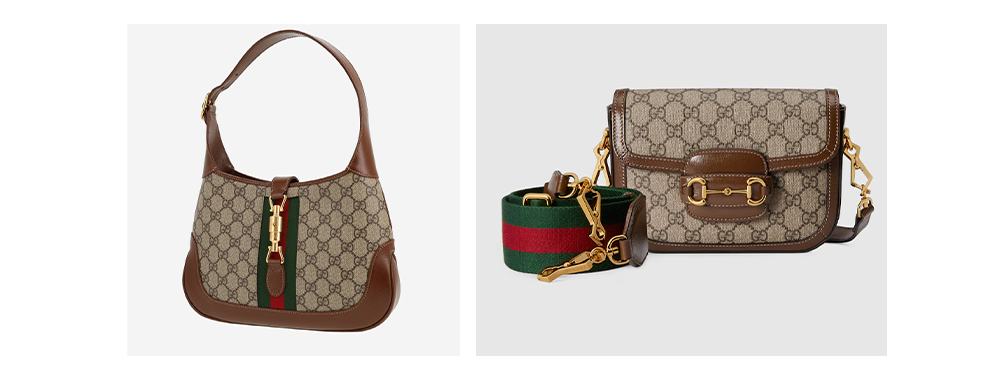
Craftsmanship Challenges: Gucci’s Horsebit hardware is created through die-casting, plating, and hand-aged finishing. The challenge of achieving a “vintage” look lies in consistency—every batch of hardware must have a uniform aged effect; otherwise, it appears mismatched. Additionally, Gucci’s signature red-green webbing must be stitched perfectly straight onto the bag. Even a slight deviation exposes flaws in dyeing or stitching.
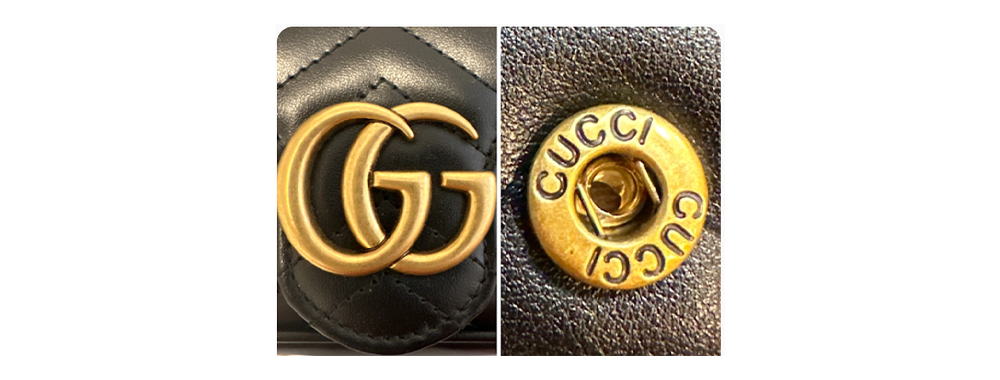
Under the strategy of refreshing classics, the Jackie 1961 and Horsebit 1955—both reissued heritage models—consistently top the brand’s sales charts. Their inherent vintage appeal perfectly aligns with the recent retro revival trend, helping Gucci firmly maintain its sixth-place ranking.
7. Prada
2026 Ranking: No.7
Must-Have Icon:
- Prada Re-Edition 2005

Prada’s Re-Edition series in 2026 features Re-Nylon, a material made from both pre-consumer and post-consumer waste. Pre-consumer waste includes factory scraps, production offcuts, and unused nylon that would otherwise be discarded. Post-consumer waste comes from old products such as discarded fishing nets (the primary source), old garments, and carpets.
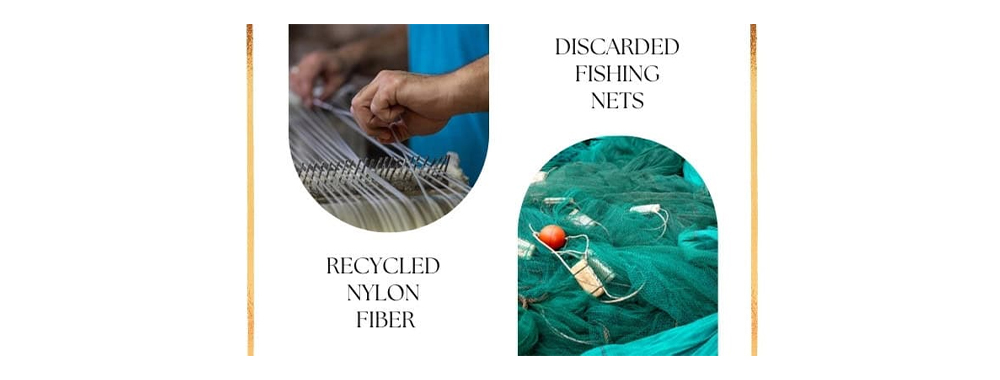
The main challenge of this material lies in transforming recycled ocean plastics into yarn that, when woven into fabric, maintains a silky smooth feel and strong water resistance. This requires complex post-treatment coating processes. Another critical factor is sourcing factories with GRS certification, which ensures access to compliant recycled materials.
8. Loewe
2026 Ranking: No.8
Must-Have Icons:
- Loewe Medium Puzzle Edge
- Loewe Hammock
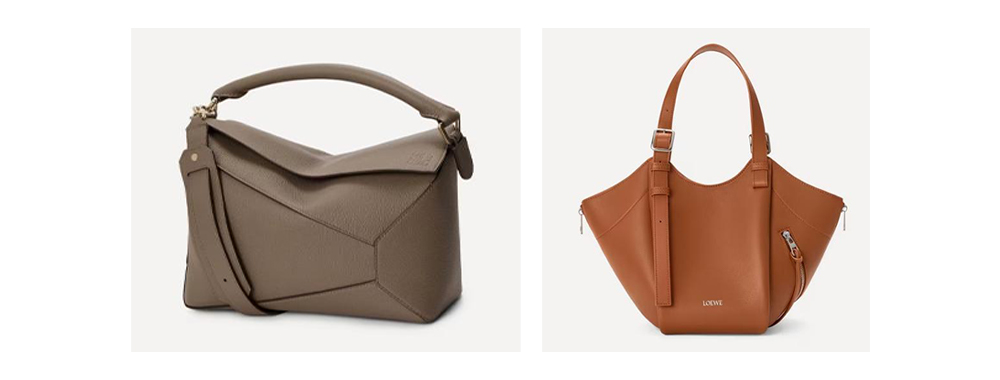
Puzzle Edge & Loewe Hammock
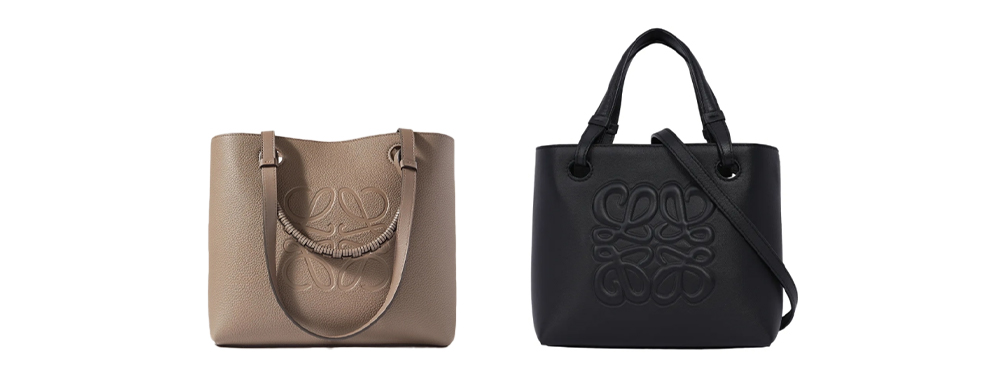
Craftsmanship Challenges: Loewe’s Anagram embossing/debossing is one of the brand’s most iconic techniques, commonly seen across small leather goods, handbags, and accessories. The Anagram logo consists of four interlocking stylized “L” letters, forming a classic pattern.
The challenge lies in making the Anagram imprint shallow yet clearly visible, which requires the leather base to be exceptionally firm and uniform. Additionally, the Puzzle series’ multi-panel geometric folding and edge construction demand highly skilled pattern makers using Rhino or Optitex software for precise calculations—any slight misalignment can cause the bag’s structure to collapse.
9. Celine — “Minimalist Painted Edges”
2026 Ranking: No.9
Must-Have Icons:
- Celine Triomphe ( Reference price: $2,200–3,500)
- Celine Teen Soft 16 ( Reference price: $3,500–4,200)
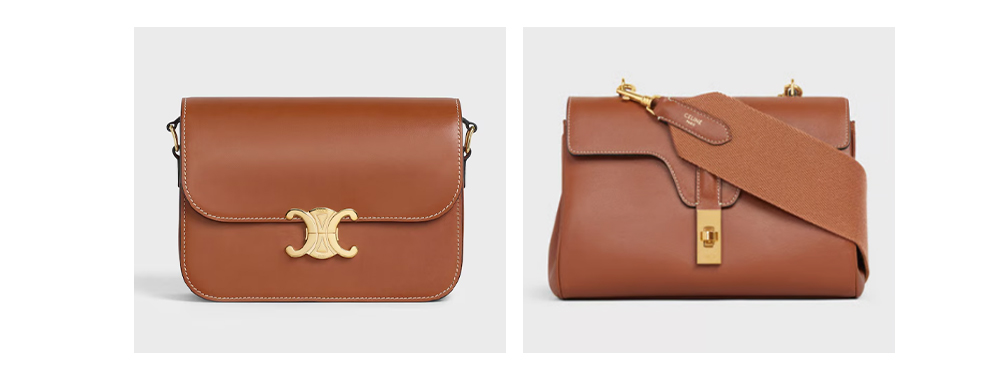
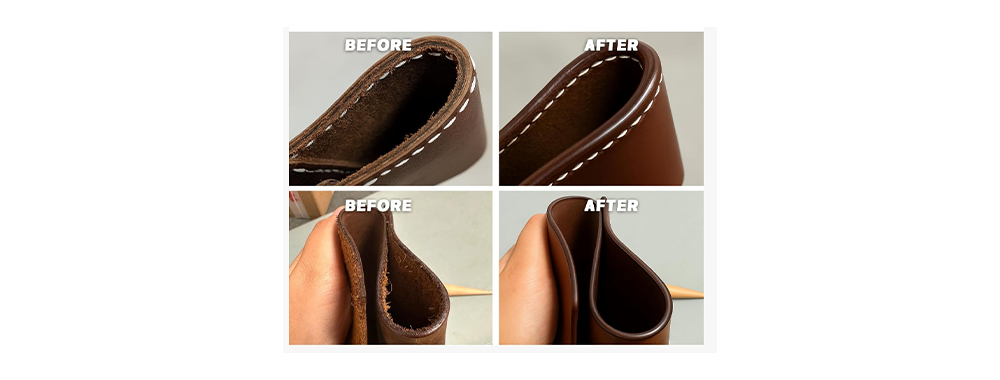
Craftsmanship Challenges: Paradoxically, minimalism is often the most difficult to execute. Celine’s Triomphe bag embodies a minimalist aesthetic with no decorative elements, which means every imperfection—bubbling on painted edges, loose threads, or natural leather veins—is immediately visible. Its three-layer edge-painting process (base coat, middle coat, top coat) must be flawlessly smooth and rounded, with absolutely no cracking. Achieving this demands extremely strict control over the edge-painting workshop’s temperature, humidity, and the number of hand-buffing passes performed by artisans.
10. Fendi
2026 Ranking: No.10
Must-Have Icon:
- Fendi Baguette (Reference price: $1,230)
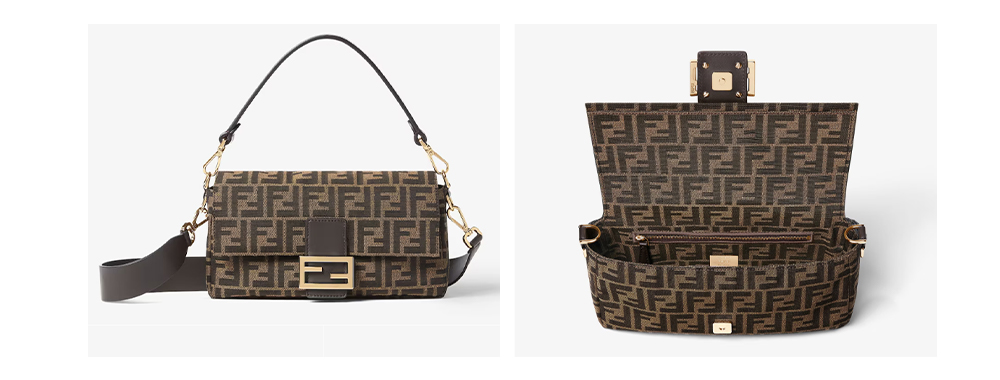
Craftsmanship Challenges: The Fendi Baguette is characterized by its short, flat silhouette. The main manufacturing challenge lies in shaping the flap curve: if the interlining is too stiff, the corners will wrinkle; if it’s too soft, the flap will lift and fail to close properly. Achieving the perfect balance requires carefully adjusting the heat and pressing time when working with fusible interlining, taking into account the stretch and flexibility of different leathers.
II. Common Questions About Luxury Handbags (FAQ)
Q1: My luxury bag is dirty after prolonged use. Can I wash it directly with water?
A: Absolutely not! Most luxury handbags—whether vegetable-tanned leather, lambskin, or coated canvas—can warp, discolor, or develop watermarks if exposed to water.
Proper care involves three steps:
- Daily Cleaning: Use a soft white cotton cloth or lens-cleaning cloth to gently wipe surface dust. For LV Monogram coated canvas, lightly wipe with a baby wipe (alcohol-free) and immediately dry with a soft cloth.
- Deep Conditioning: Every 3–6 months, apply a neutral leather conditioner (recommended: Saphir or Collonil). Always test on an inconspicuous area first. Note: Delicate leathers like Chanel lambskin or Hermès Swift leather are best handled by professional care services.
- Handles / Painted Edge Darkening: Oxidation of vegetable-tanned leather handles (honey patina) is normal and irreversible. Avoid contact with sweat. If painted edges crack, a re-edge service from the manufacturer or professional repair shop is required (three-layer edge finishing).
Q2: Can luxury hardware discoloration or oxidation be restored?
A: Yes, depending on the severity:
- Mild oxidation: Gently polish with a silver cloth or a tiny amount of German Autosol metal polish using a cotton swab.
- Plating wear (exposed base metal): Cannot be fixed personally. Requires a professional handbag ODM factory to perform hardware refurbishment and replating—disassembling, stripping, polishing, and re-plating with gold/palladium/nickel. Note: For Chanel’s aged hardware, replating will remove the “vintage patina,” so caution is advised.
Q3: How much do the basic/entry-level bags from these 10 brands cost? (2026 USD reference)
A:Below is an approximate pre-tax retail price range (USD). Prices vary by country and sales channel. Sorted from low to high:
| Tier | Brand | Entry-Level Example | Reference Price(USD) | Suitable For |
| Affordable Luxury | Gucci | Ophidia Small GG Canvas Shoulder Bag | 700–1,250 | Young buyers’ first luxury bag |
| Prada | Re-Edition 2005 Mini Nylon Bag | 900–1,300 | Practical and casual style | |
| Loewe | Puzzle Fold Small Canvas Patchwork | 1,050–1,550 | Artists and niche enthusiasts | |
| Mid-Tier Classics | Celine | Ava Shoulder Bag (Monogram Canvas) | 1,200–1,650 | Minimalist, intellectual style |
| Fendi | Baguette Mini (Canvas) | 1,250–1,800 | Vintage/retro enthusiasts | |
| Louis Vuitton | Speedy Bandoulière 20 (Monogram) | 1,650–2,100 | Reliable first luxury bag for middle class | |
| Bottega Veneta | Mini Jodie (Lambskin) | 1,800–2,500 | Focus on texture and understated luxury | |
| Dior | Micro Lady Dior / Card Holder Chain Bag | 1,650–2,350 | For ultimate elegance seekers | |
| Chanel | WOC (Wallet on Chain) | 2,500–3,050 | Chanel entry-level bag | |
| Top-Tier Investment | Hermès | Herbag / Picotin Lock (Basket Bag) | 2,750–3,600* | High-net-worth buyers (*retail, usually allocation required) |
Q4: What does “allocation” mean for Hermès?
A: Hermès’ retail price ≠ the price you actually pay. Take the Birkin 25 as an example: its retail price may range around $9,600–$12,400, but you cannot simply walk into a store and buy it. You need to first purchase other Hermès products—belts, scarves, jewelry, home goods—to build a purchase history.
The typical allocation ratio for a Birkin is between 1:1 and 1:1.5. This means if you want a bag priced at $11,000, you may need to buy $11,000–$16,500 worth of other items first. This is Hermès’ deliberate scarcity strategy.
III. 2026: Insights for Brands and Manufacturers
In this era full of uncertainty, both selling and making bags are actually wisdom.
- For Brands: The growth drivers of the luxury handbag market in 2026 ultimately return to material innovation and craftsmanship details. Consumers are increasingly able to distinguish premium handbags from ordinary ones, and they are willing to pay for traceable, eco-friendly materials and meticulous handmade techniques—no longer merely for the brand logo premium.
- For Manufacturers: The core competitive advantage will always lie in the ability to consistently deliver high-quality products. As consumers’ expectations for detail continue to rise, brands are increasingly willing to place orders with factories that can reliably solve technical challenges and proactively manage quality risks. Only by maintaining rigorous craftsmanship standards, establishing scalable production processes for eco-friendly materials, and obtaining the relevant compliance certifications can manufacturers meet the development needs of both established luxury houses and emerging independent brands, ensuring long-term competitiveness in the industry.