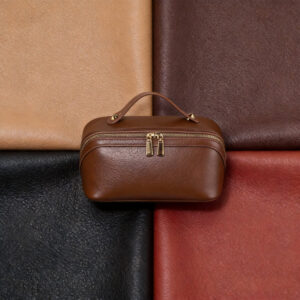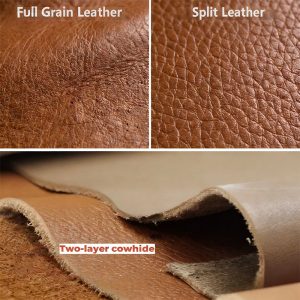
The most fundamental difference between vegetable-tanned leather and chrome-tanned leather lies in the different chemical agents used during the tanning process. This difference also directly determines the leather’s final physical properties, appearance, texture, and suitable applications.
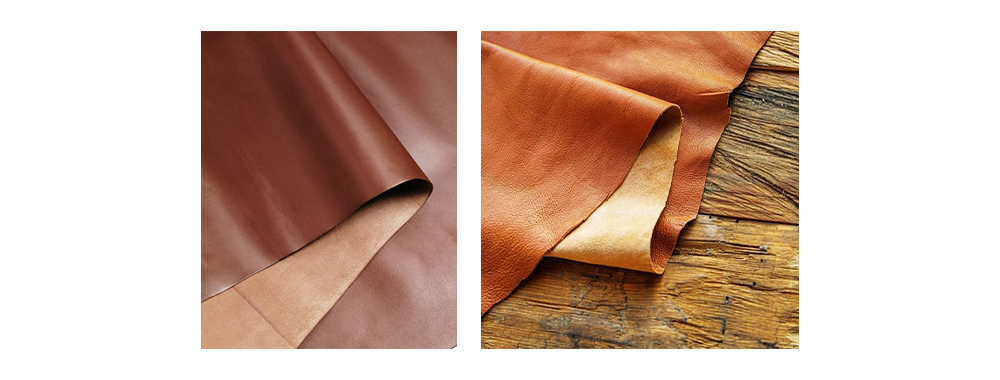
- Vegetable-Tanned Leather (Veg Tan) uses vegetable tannins for the tanning process. This is a traditional method derived from natural plant materials such as tree bark and fruit shells. As a result, vegetable-tanned leather is generally firm and substantial in texture, while retaining the leather’s original grain, texture, and natural aroma.
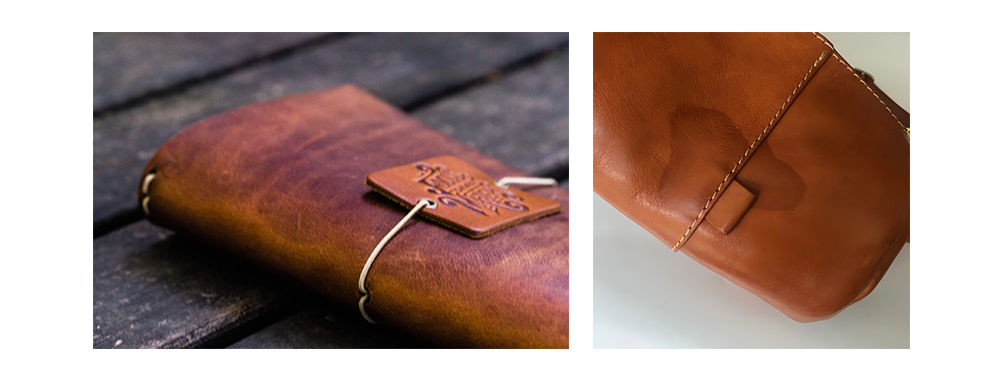
Its greatest appeal lies in the enjoyment of “patina development.” As time goes by and the leather is used, its color gradually becomes deeper, while a unique patina and traces of use develop on the surface, recording the owner’s life and experiences. However, this type of leather is relatively sensitive to water and oil stains, and requires more care and maintenance, especially during the initial stages of use.
- Chrome-Tanned Leather (Chrome Tan), on the other hand, is the mainstream choice in modern industry and uses chromium salts as the tanning agent. This process is highly efficient and suitable for large-scale production, making chrome-tanned leather the most common type of leather on the market.
Chrome-tanned leather is characterized by its softness, light weight, and elasticity, with a smooth and refined hand feel. It performs particularly well in terms of water resistance, heat resistance, and color stability. It is less prone to deformation and is relatively easy to maintain in everyday use. Although it lacks the distinctive character that vegetable-tanned leather develops and evolves over time, its durability and ease of maintenance make it an ideal material for everyday footwear, handbags, clothing, and other products.
In short, if you are looking for a sense of individuality that develops over time and a vintage aesthetic, vegetable-tanned leather is the ideal choice. If you place greater emphasis on practicality and convenience, softness and comfort, as well as the ability to withstand complex everyday environments, chrome-tanned leather is the more suitable option.
1. Core Differences Between the Two
1.1 What Are the Advantages and Disadvantages of Vegetable-Tanned and Chrome-Tanned Leather?
Vegetable-Tanned Leather (Veg Tan)
- Advantages: Natural and environmentally friendly, with no heavy metals; firm and substantial hand feel, developing a beautiful patina with use; highly malleable and suitable for carving, embossing, and shaping; long service life.
- Disadvantages: Long tanning process and high cost; sensitive to water and high temperatures, and prone to developing water stains; relatively stiff at first; limited color options.
Chrome-Tanned Leather (Chrome Tanned)
- Advantages: Fast production and low cost; naturally soft, water-resistant, and heat-resistant; available in a wide range of rich and vibrant colors with good colorfastness; suitable for large-scale mass production.
- Disadvantages: Contains chromium salts, making it relatively less environmentally friendly and more difficult to biodegrade; lacks firmness and malleability; has a somewhat “plastic-like” feel, does not easily develop a patina, and has a relatively shorter lifespan.
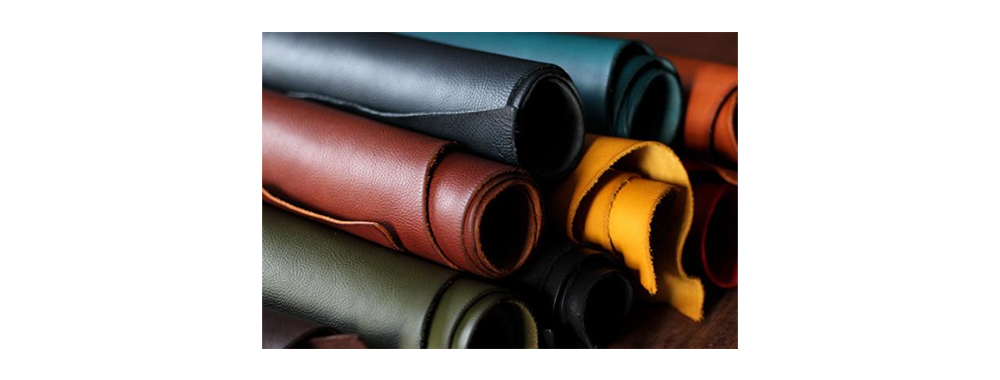
1.2 What Are the Differences Between the Two in Terms of Actual Use?
After understanding the advantages and disadvantages of the two tanning processes, we can make a more detailed comparison from the perspective of actual use:
| Dimension | Vegetable-Tanned Leather | Chrome-Tanned Leather |
| Appearance Changes | Becomes noticeably darker over time and develops a patina | Color remains relatively stable over time |
| Evolution of Hand Feel | Gradually changes from firm and structured to supple and flexible | Soft from the moment you start using it, with a wide range of possible textures |
| Abrasion Resistance | Scratches are more easily visible, but light scratches may fade with use | Mature surface finishing makes it more resistant to everyday friction |
| Water Resistance | Sensitive to water and prone to water stains | Relatively good water resistance after proper treatment |
| Color Selection | Mainly earth tones and natural colors | Can achieve almost any color and surface effect |
2. Material Selection from a Supply Chain Perspective
For brands and designers, when working with a leather goods manufacturer to develop a product line, the choice of tanning method directly affects the production schedule, cost structure, and positioning of the finished product.
Because vegetable-tanned leather has a longer tanning cycle and relatively limited leather sources, it is generally more suitable for small-batch, high-price-point handcrafted leather goods or vintage-style collections. When developing such products, leather handbag OEM buyers need to allow a longer material procurement lead time and reserve sufficient time in the production schedule for the leather to naturally shrink and set into its final shape.
Chrome-tanned leather, on the other hand, benefits from a mature supply chain and a wide range of color and texture options, making it more suitable for large-scale production, rapid replenishment, and the development of collections with multiple SKUs. Many leather products manufacturers will recommend that brands prioritize a chrome-tanned leather solution when starting a first collaboration or testing the market, in order to reduce risks caused by color variations or differences between leather batches.
It is worth noting that, regardless of whether vegetable tanning or chrome tanning is used, the environmental compliance of the modern leather industry has improved significantly. If consumers are concerned about sustainability, they should pay greater attention to whether the supplier has LWG (Leather Working Group) certification and whether its wastewater treatment meets the required standards, rather than relying solely on the simplistic label of “vegetable tanning = naturally environmentally friendly.”
3. Selection Recommendations for Brands
For brands, choosing between vegetable-tanned leather and chrome-tanned leather is not simply a matter of which one is better or worse. Instead, it is a comprehensive decision based on product positioning, usage scenarios, and supply chain responsiveness.
Below are our material selection recommendations for leather bags brands:
| Your Product Positioning | Recommended Choice |
| High-end handcrafted leather goods / custom carving / vintage style | Vegetable-Tanned Leather |
| Fast fashion / large-volume clothing, footwear, and bags / functional products | Chrome-Tanned Leather |
| Environmentally focused / sustainable brands | Vegetable-Tanned Leather (or eco-friendly chrome-tanned leather) |
| Designer pieces requiring complex shaping (such as structured hard-shell bags) | Vegetable-Tanned Leather |
| Extremely soft, skin-contact applications (such as gloves and leather garment linings) | Chrome-Tanned Leather |
4. FAQ
Q1: How much longer is the delivery lead time for vegetable-tanned leather compared with chrome-tanned leather?
A: The tanning process for vegetable-tanned leather typically takes 4–10 weeks, while chrome-tanned leather takes only 1–3 days. If the order has a tight delivery schedule, such as rapid replenishment orders or seasonal restocking, it is recommended to prioritize chrome-tanned leather or plan the order well in advance.
Q2: When exporting to the EU or the United States, what are the differences in environmental compliance requirements between the two types of leather?
A: Vegetable-tanned leather is naturally free of heavy metals and can generally meet regulations such as REACH and CPSIA relatively easily. For chrome-tanned leather, it is necessary to confirm that the supplier uses trivalent chromium (Cr III) rather than hexavalent chromium (Cr VI), which is carcinogenic and strictly restricted by the EU. For export orders, it is recommended to review the supplier’s materials in advance to ensure that they can meet the regulatory requirements of the brand’s target market.
Q3: Can the two types of leather be used together in the same product?
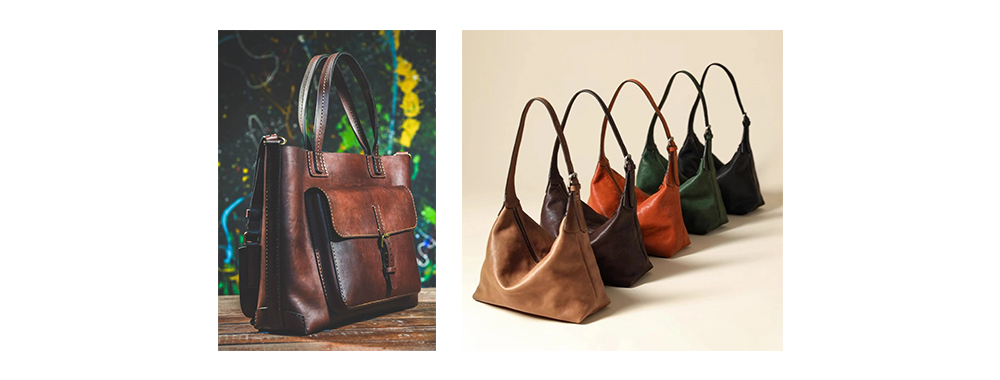
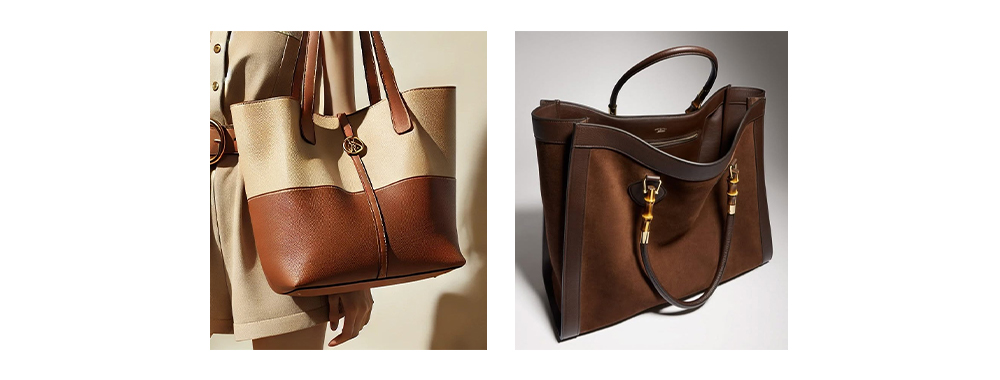
A: Yes, and this is a common practice. For example, chrome-tanned leather can be used for the main body of a bag because of its softness and wide range of colors, while vegetable-tanned leather can be used for the bottom, handles, or edges because of its firmness, abrasion resistance, and ability to hold its shape.
When combining the two types of leather, attention should be paid to whether their thickness, stretch and shrinkage rates, and post-processing methods are compatible, in order to prevent deformation of the finished product.
Q4: Can the “color-changing” (Patina) effect of vegetable-tanned leather be controlled?
A: It cannot be completely controlled. This is both the charm and the risk of vegetable-tanned leather. Different areas of the leather and different usage habits can result in uneven color changes. If the customer requires a high degree of color consistency, such as a standardized brand color, chrome-tanned leather is recommended. If the customer is looking for individuality and a vintage feel, the Patina of vegetable-tanned leather can be considered an added advantage.
Q5: Can chrome-tanned leather imitate the firm, structured feel of vegetable-tanned leather through post-processing?
A: It is possible to increase firmness through methods such as applying stiffening coatings, adding rigid backing materials, or increasing the leather thickness. However, it cannot completely replicate the natural shaping properties and carving performance of vegetable-tanned leather. If the product requires three-dimensional embossing or hand carving, vegetable-tanned leather remains an irreplaceable choice.
Q6: How should vegetable-tanned and chrome-tanned leather be maintained respectively?
- Vegetable-Tanned Leather: Avoid exposure to rain and prolonged direct sunlight. Regularly condition it with a specialized leather care oil. Minor scratches can be gently rubbed with your fingers and gradually softened by the warmth of your hands. Water stains will naturally blend into the patina over time.
- Chrome-Tanned Leather: Daily maintenance generally only requires wiping with a damp cloth. It is highly durable and easy to care for, but prolonged exposure to direct sunlight should be avoided, as this may cause the surface coating to crack.
Q7: From the perspective of factory production costs, what hidden cost differences exist besides the unit price of the leather?
- Vegetable-Tanned Leather: The edges of cut leather pieces need to be sanded and finished, requiring multiple additional processes; it places higher demands on workers’ craftsmanship; the defect rate is relatively higher; and storage requires careful attention to moisture and mold prevention.
- Chrome-Tanned Leather: Cutting can be automated, the edges can be finished simply with edge paint, and mass-production efficiency is high.
5. Conclusion
The difference between vegetable-tanned and chrome-tanned leather is, at its core, a reflection of two different lifestyles and consumer value systems.
Vegetable-tanned leather represents a slower-paced aesthetic experience. It encourages users to participate in the product’s life cycle, collectively shaping the unique character of the item as time passes. Chrome-tanned leather, on the other hand, represents the efficiency and convenience of modern industry, aiming to provide users with immediate comfort and the convenience of low maintenance costs.
The true value of a leather bag does not lie in which tanning process it uses, but in whether the leather, craftsmanship, usage scenario, and personal habits are properly matched.
Once you understand the logic behind these two materials, whether you are a consumer choosing your first genuine leather bag or a brand working with a manufacturer to communicate product development requirements, you can make a more informed, clear-headed, and confident decision.