As a professional leather bag manufacturer with years of experience in the industry, we are frequently asked the same question by our clients: “Should I choose real leather or faux leather for my custom bags?”
This guide offers a manufacturer’s professional perspective, objectively analyzing the characteristics, differences, and ideal applications of both materials to help you make the best decision for your brand.
What Is Faux Leather?
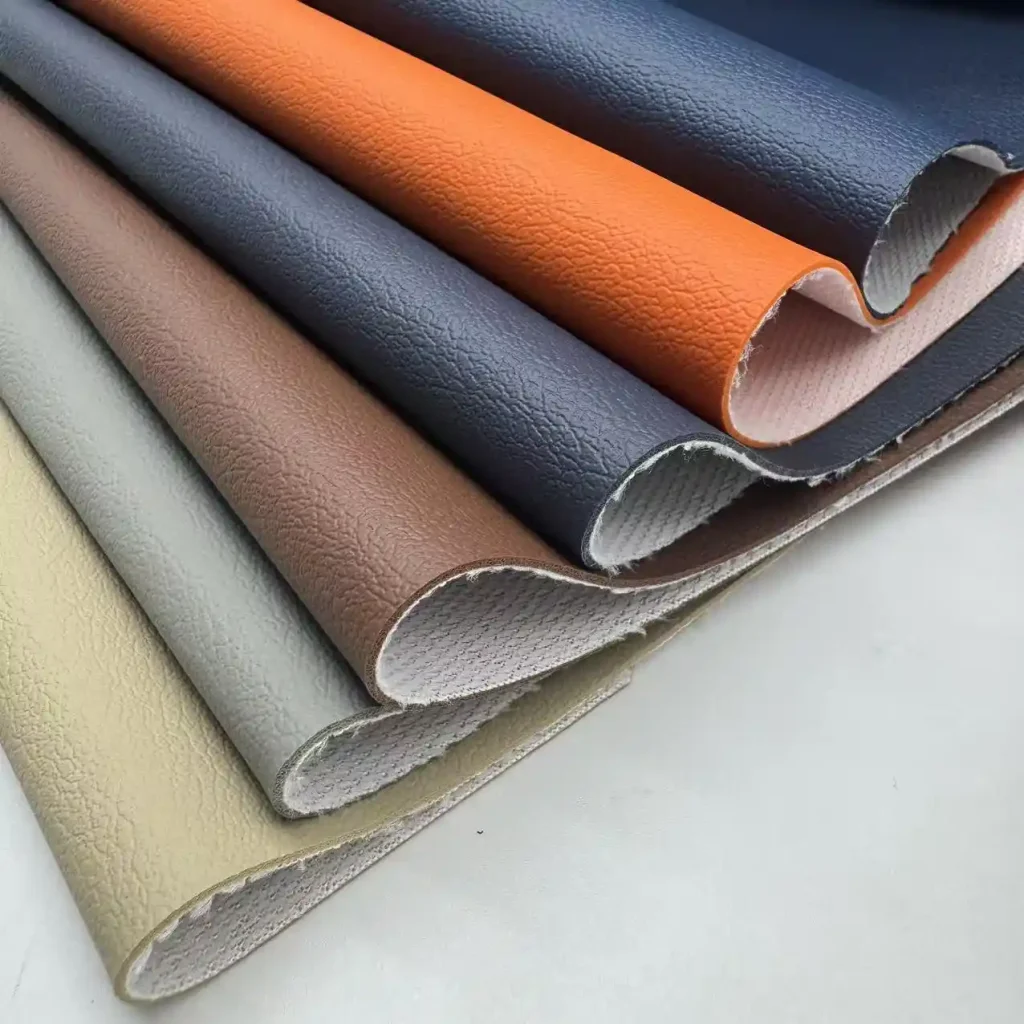
Faux leather (also known as synthetic leather, imitation leather, PU leather, or PVC leather) is a man-made alternative to genuine leather.
It replicates the appearance and texture of natural leather through industrial processes. Faux leather is affordable, available in a wide range of colors, and easy to maintain—making it an indispensable material in modern bag manufacturing.
Key Difference: Faux leather is a petroleum-based product made by coating a fabric base with polyurethane (PU) or polyvinyl chloride (PVC). Unlike real leather, it does not biodegrade naturally.
Faux Leather vs. Real Leather: Core Parameter Comparison
| Parameter | Faux Leather | Real Leather |
| Durability | Medium (2-5 years) | Excellent (10+ years) |
| Hand Feel | Smooth, slightly plastic-like | Natural grain, warm and supple |
| Smell | Faint plastic odor or none | Rich, authentic leather aroma |
| Breathability | Poor | Excellent (natural pores) |
| Water Resistance | Good | Requires conditioning |
| Price | Lower | Higher |
| Maintenance | Minimal, nearly care-free | Requires regular conditioning |
| Color Options | Vast, fully customizable | Limited to natural tones |
| Environmental Impact | Non-biodegradable, but low resource use | Biodegradable, but tanning involves chemicals |
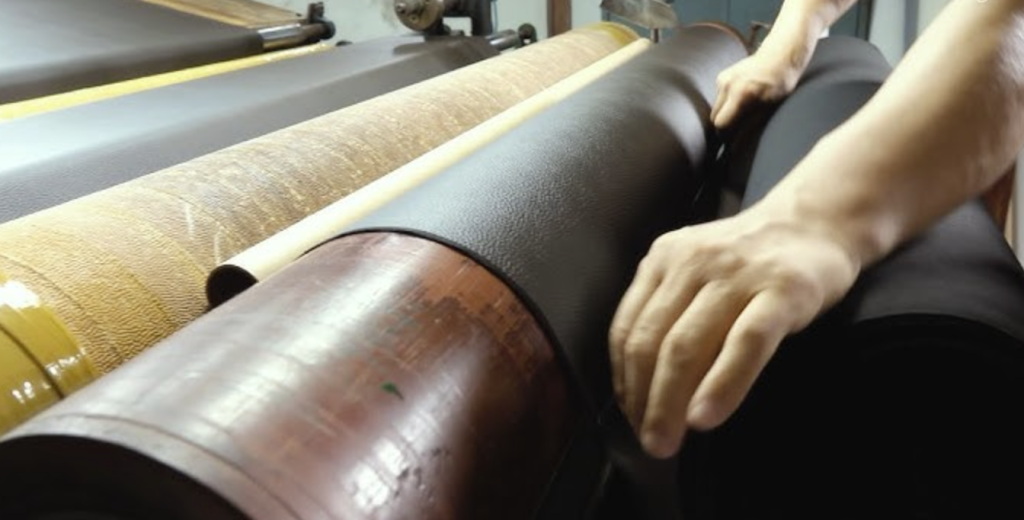
Faux Leather Manufacturing Process
Faux leather production process typically includes the following steps:
1. Base Preparation: Polyester, cotton, or other fabrics are used as the underlying support layer.
2. Coating Application: PU or PVC coatings are applied via roller coating or dipping processes.
3. Surface Treatment: Textures are embossed, colors are applied, and hand-feel agents are sprayed to simulate genuine leather.
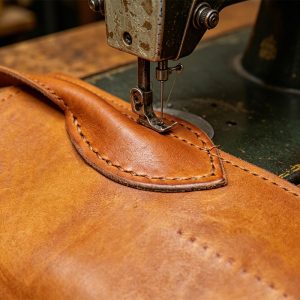
4. Cutting & Sewing: The material is cut according to patterns and sewn using the same techniques as real leather bags.
Pro Tip: High-quality PU leather now offers softness and elasticity remarkably close to full-grain cowhide. The average consumer can hardly tell the difference by touch alone.
Common Types of Faux Leather
1. PU Leather (Polyurethane Leather)
Characteristics: Soft hand feel, good elasticity, fine grain embossing possible.
Best For: Fashion handbags, daily commuter bags, interior linings.
Advantages: Excellent cost-performance ratio, accurate color reproduction, and the most widely used synthetic leather in the bag industry.
2. PVC Leather (Polyvinyl Chloride Leather)
Characteristics: Higher stiffness, abrasion-resistant, fully waterproof.
Best For: Travel bags, outdoor bags, tool bags.
Advantages: Extremely easy to clean, stain and scratch resistant—ideal for high-intensity usage scenarios.
3. Microfiber Leather
Characteristics: Made from microfiber non-woven fabric; structure closest to genuine leather.
Best For: Premium faux leather bags, automotive-grade interior products.
Advantages: Best breathability among synthetics; durability approaches that of split leather.
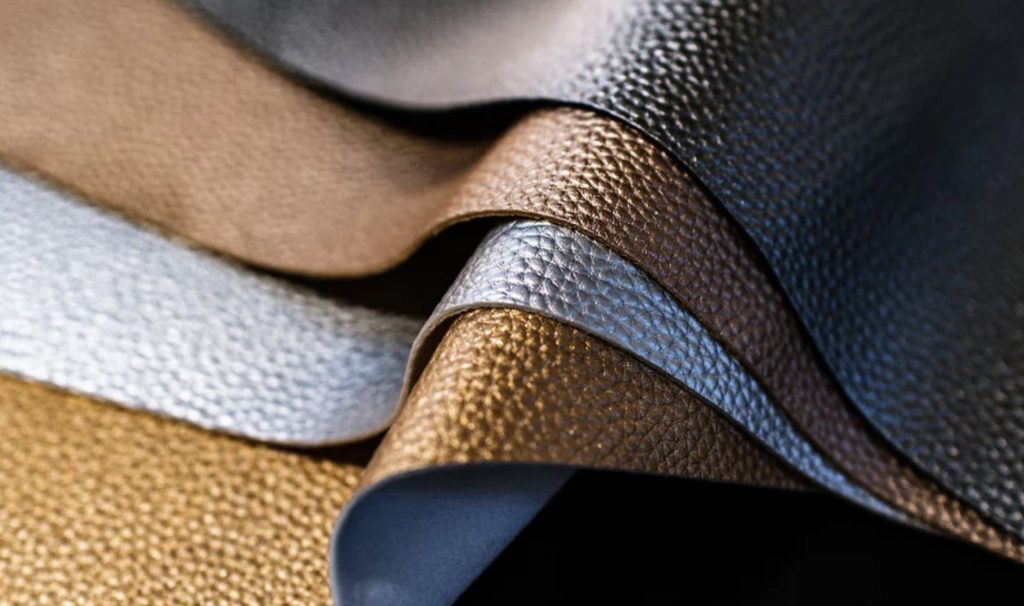
4. Sustainable New Materials
Plant-Based Leather: Pineapple leaf fiber (Piñatex), apple leather, cactus leather.
Recycled Materials: Faux leather fabrics made from recycled plastic bottles.
Trend: An increasing number of brands are incorporating these materials into eco-conscious product lines.
Applications of Faux Leather in Bag Manufacturing
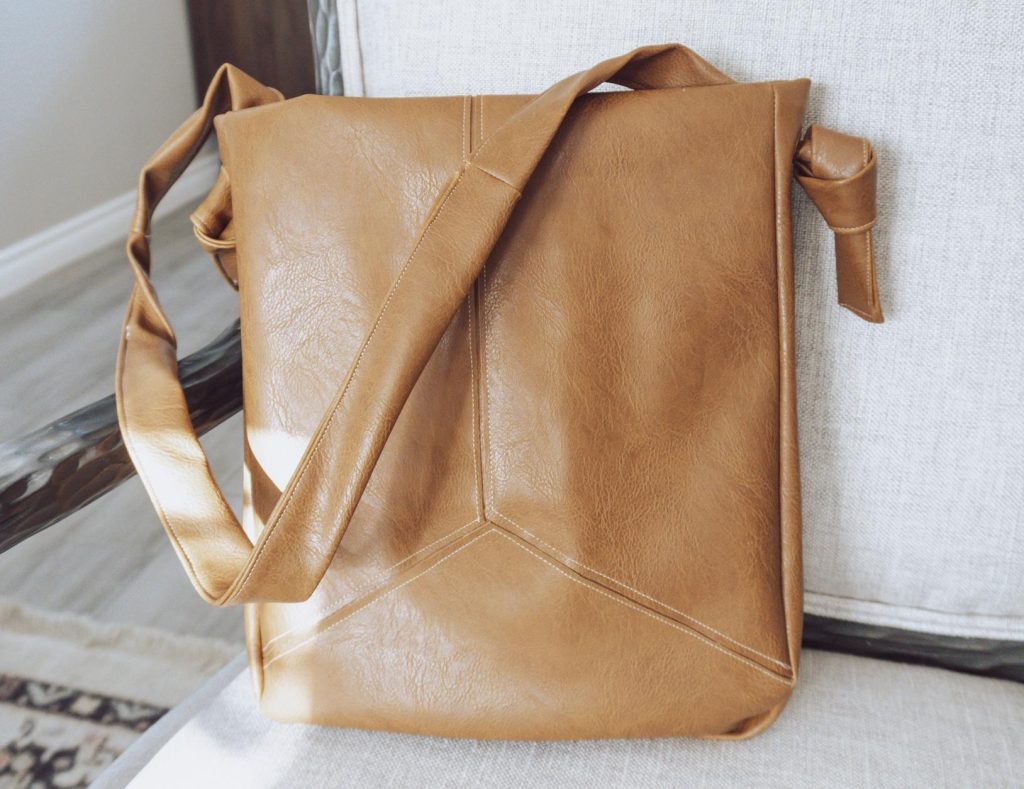
Not every bag is suited for genuine leather. Faux leather offers irreplaceable advantages in the following scenarios:
1. Fast Fashion & Seasonal Styles
Trends change quickly; long-term durability is not the priority.
Can achieve neon colors, metallic finishes, and gradient effects that real leather cannot easily replicate.
2. Functional Bags
Waterproof travel bags, gym bags, diaper bags.
Medical bags and tool bags that require frequent cleaning.
3. Vegan & Eco-Conscious Product Lines
Meets market demand for zero animal-derived materials.
Pairs well with plant-based materials for a compelling sustainability story.
4. Large Tote Bags & Interior Linings
Reduces overall bag weight.
Lowers production costs, improving price competitiveness.
How to Distinguish Real Leather from Faux Leather
As a manufacturer, here are practical identification methods we recommend:
| Test Method | Real Leather | Faux Leather |
| Edge Inspection | Rough fibers, visible dermal layer structure | Clean edges, visible fabric base |
| Press Test | Fine radial wrinkles appear, slow recovery | Stiff texture change, or no change at all |
| Water Drop Test | Slow absorption, dark water stain remains | Water beads on surface, no penetration |
| Burn Test (Destructive) | Burning hair smell, brittle ash | Plastic burning smell, melts into hard lump |
| Back Side Inspection | Irregular fuzz, visible pore traces | Regular fabric weave, like canvas or knit |
Faux Leather Care Guide
Although faux leather requires minimal maintenance, proper care significantly extends its lifespan:
Daily Cleaning
• Gently wipe surface dust with a slightly damp soft cloth.
• For stubborn stains, use diluted neutral detergent.
Important Notes
• Avoid prolonged sun exposure (PU coatings are prone to aging and cracking).
• Keep away from high heat sources (radiators, car interiors in summer).
• Do not use alcohol or solvent-based cleaners.
• Stuff bags with tissue paper to maintain shape; avoid folding or creasing.
Manufacturer’s Advice: If a faux leather bag shows edge cracking or surface peeling, the coating has typically aged beyond repair. Replacement is recommended at this stage.
The Unique Value of Real Leather
As a manufacturer producing both materials, we objectively present the core advantages of genuine leather:
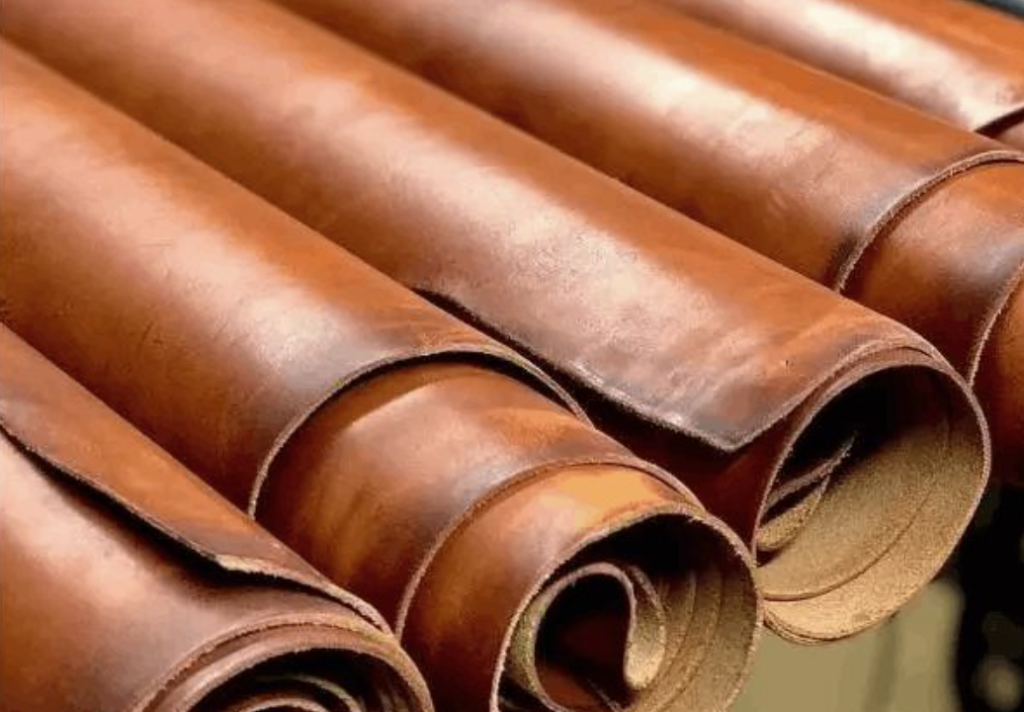
1. Lifespan
Full-grain cowhide bags can last 10-20 years under normal use.
The average replacement cycle for faux leather is 2-5 years.
2. Aging Beauty
Real leather develops a unique patina over time—colors deepen and the surface gains a warm luster.
Scratches can be conditioned and faded, becoming part of the bag’s personal history.
3. Structural Strength
Natural collagen fiber networks provide superior tear resistance.
Ideal for load-bearing bags such as travel duffles, briefcases, and saddle bags.
4. Repairability
Minor scratches can be sanded and re-colored.
Professional leather care can dramatically extend service life.
Our Recommended Selection Strategy
As a bag manufacturer, we recommend making decisions based on usage scenarios rather than price alone:
| If You Need | Recommended Material | Reason |
| A briefcase to last a decade | Full-grain or top-grain cowhide | Durable, repairable, improves with age |
| Trendy seasonal fashion pieces | High-quality PU leather | Low cost, vibrant colors, easy to refresh |
| Waterproof outdoor travel bags | PVC leather or coated canvas | Fully waterproof, easy to clean, abrasion-resistant |
| Bulk corporate gift bags | Microfiber or premium PU | Consistent quality, budget-friendly, crisp logo embossing |
| Vegan / eco-conscious product lines | Plant-based new materials | Appeals to values-driven consumers |
Environmental Responsibility: Our Factory Practices
Both materials present environmental considerations. As a responsible manufacturer, we implement the following measures:
Faux Leather Line
• Prioritize phthalate-free PU compliant with REACH regulations.
• Gradually introduce water-based PU coating processes to reduce VOC emissions.
• Recycle offcuts for filler materials or regenerated fibers.
Real Leather Line
• Source from LWG (Leather Working Group) certified tanneries.
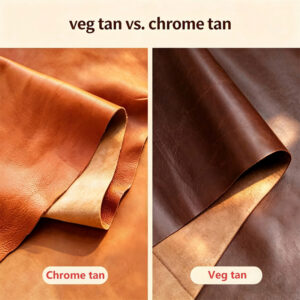
• Offer vegetable-tanned leather options to reduce chrome tanning dependence.
• Leather is a byproduct of the meat industry, preventing resource waste.
Frequently Asked Questions
Q1: How long does a faux leather bag last?
With normal use and proper care, quality PU bags last 3-5 years, while microfiber leather can reach 5-8 years. Usage frequency, ambient humidity, and maintenance habits significantly affect lifespan.
Q2: Does faux leather peel?
Low-end PVC or aged PU may experience surface peeling. When sourcing, inspect the adhesion strength between the coating and the fabric base. Premium microfiber leather rarely has this issue.
Q3: Why are some “real leather bags” cheaper than faux leather?
They may be bonded leather or split leather with a sprayed coating—materials whose performance is closer to faux leather, not genuine full-grain. Always verify “full-grain” or “top-grain” labeling when purchasing.
Q4: Can I order bags with mixed materials?
Absolutely. We frequently design “real leather exterior + faux leather lining/backing” solutions for brand clients, balancing premium feel with cost control.
Conclusion
Real leather and faux leather are not competitors—they are two excellent materials serving different needs.
As a professional bag manufacturer, we operate complete production lines for both genuine leather and faux leather bags. We provide end-to-end solutions from material selection, prototyping, to mass production, tailored to your brand positioning, target audience, and budget.
Regardless of which material you choose, craftsmanship and quality control are what ultimately determine the quality of your bags.
If you have leather bag customization needs, please contact our business team.