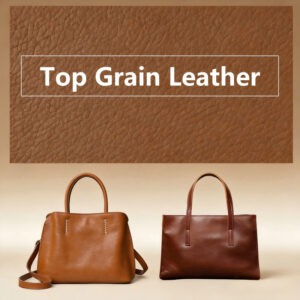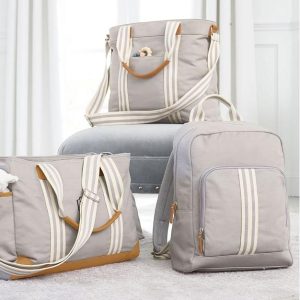
In today’s highly competitive retail environment, businesses and emerging brands are increasingly investing in custom leather handbags to stand out in the market. Whether you are launching a premium private-label collection or sourcing corporate gifts, understanding how to evaluate handbag quality is essential for protecting your investment and maintaining your brand reputation.
In this guide, we will break down the key factors to consider when assessing the quality of custom leather handbags, from material selection to finishing details.
Table of Contents:
- What Are Custom Leather Handbags?
- Key Factors for Evaluating Quality
- Two Practical Tips for B2B Buyers
- Frequently Asked Questions
I. What Are Custom Leather Handbags?
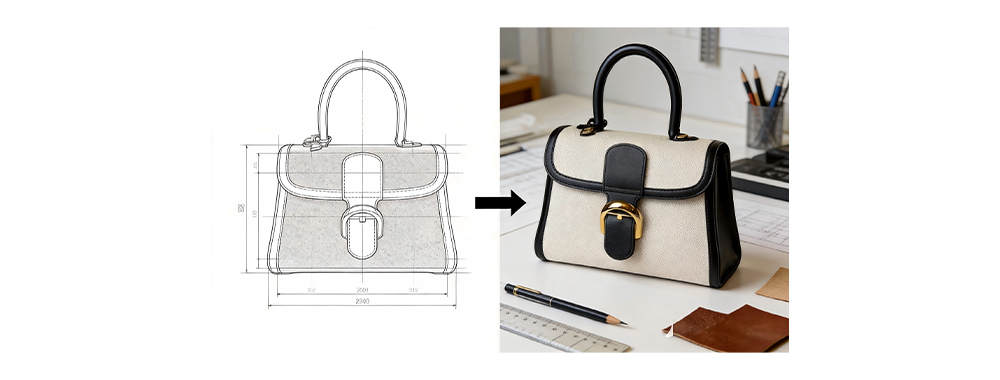
Simply put, custom leather handbags are leather goods that are designed and manufactured according to the specific requirements of a brand or buyer. Every aspect of the bag can be customized, including the materials, dimensions, colors, hardware, interior construction, logo application, and other design details.
Unlike ready-made handbags, custom leather handbags give businesses complete control over every detail—from the grade of leather and lining materials to logo embossing and metal hardware.
II. Key Factors for Evaluating Quality
1. Leather Grade and Type
The foundation of any high-quality handbag lies in the leather itself.
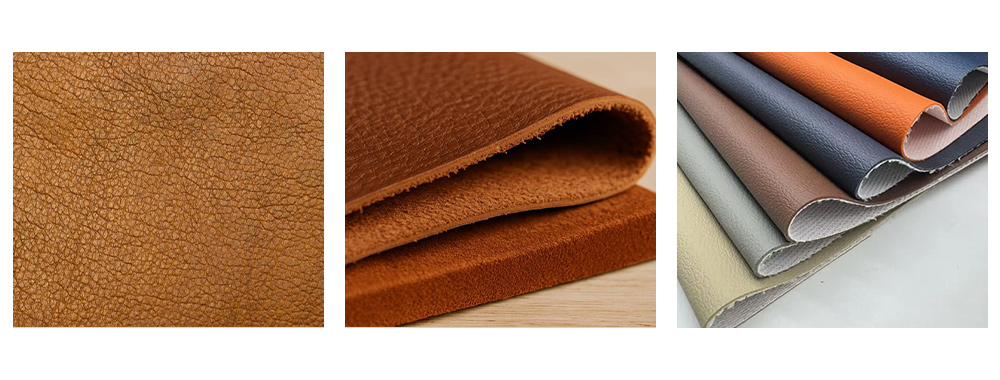
- Full-grain leather retains the natural grain of the hide, offering unmatched durability and developing a beautiful patina over time.
- Split leather is sourced from the lower layer of the hide after it has been split. Once the top grain is removed, the remaining fibrous layer becomes split leather, which typically requires a surface coating or finishing treatment.
- For brands seeking vegan alternatives, high-quality PU (polyurethane) or PVC (polyvinyl chloride) leather can replicate the appearance and feel of genuine leather at a lower cost.
When sourcing custom handbags, always request leather samples to verify the texture, thickness, and color consistency before production.
2. Stitching and Seam Construction
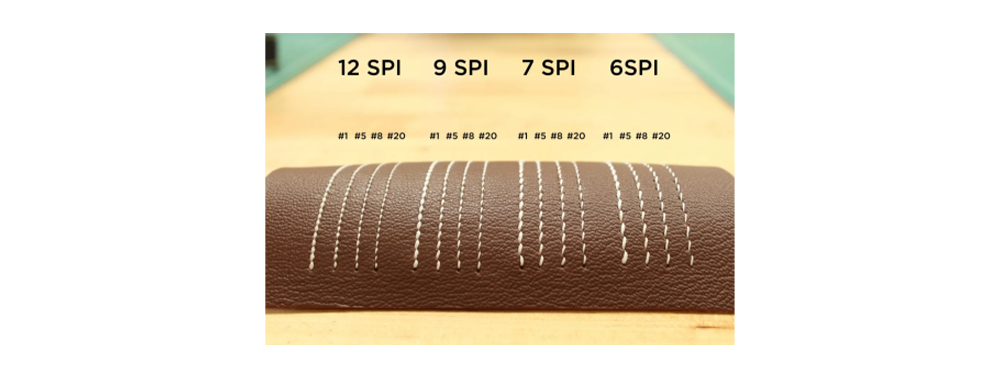
A high-quality handbag features even, tight stitching with no loose threads or skipped stitches. Stitches per inch (SPI) is a key indicator of craftsmanship—premium handbags typically have 8–10 SPI. Reinforced stitching at high-stress areas, such as handle attachments and bottom corners, is essential for ensuring the bag’s durability and long-term performance.
3. Hardware Quality
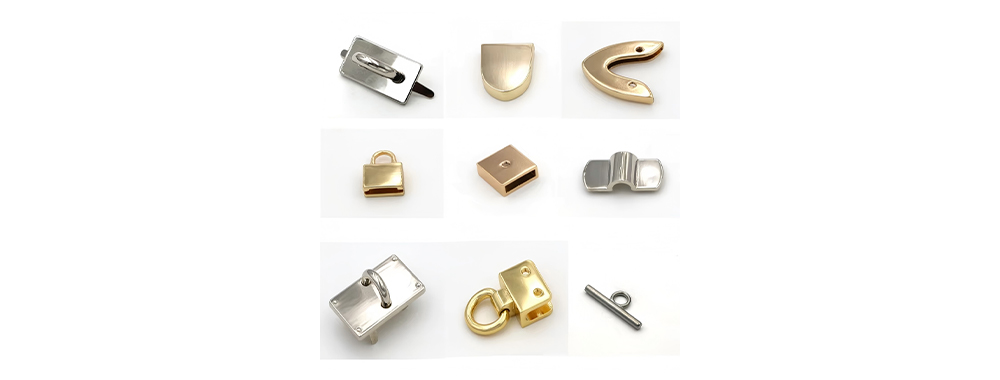
Hardware components such as zippers, clasps, locks, and rivets are often the first parts to fail on a poorly made handbag. High-quality hardware should feel solid, operate smoothly, and resist rust and corrosion. For custom handbag projects, brands can opt for trusted zipper brands such as YKK or SBS, or develop custom metal hardware engraved with their logo to enhance brand identity and product value.
4. Interior Lining and Structural Support
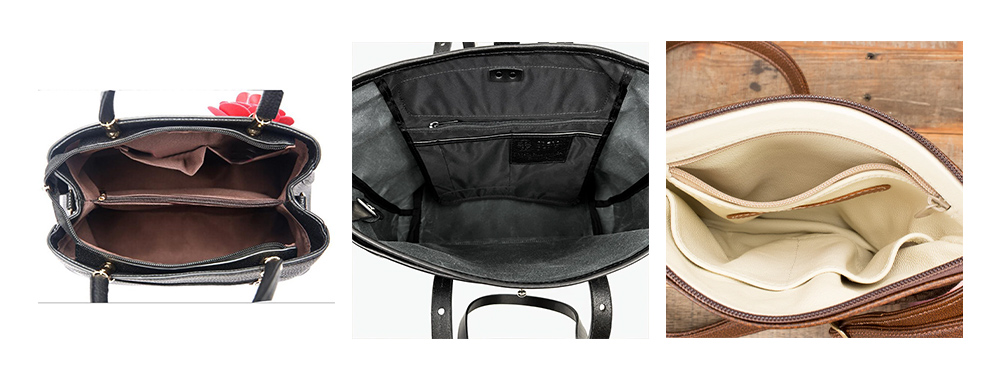
- Interior Lining: A premium handbag is about more than just its exterior. The interior lining should also be durable, neatly stitched, and resistant to tearing. Common high-quality lining materials include cotton canvas, suede, and polyester, which help protect the bag’s contents while providing additional structural support.
- Internal Structure: Whether reinforced with foam, paperboard, or synthetic support materials, the bag should have the right level of firmness to maintain its shape. A well-constructed handbag retains its structure over time and resists sagging or deformation during regular use.
5. Edge Finishing and Attention to Detail
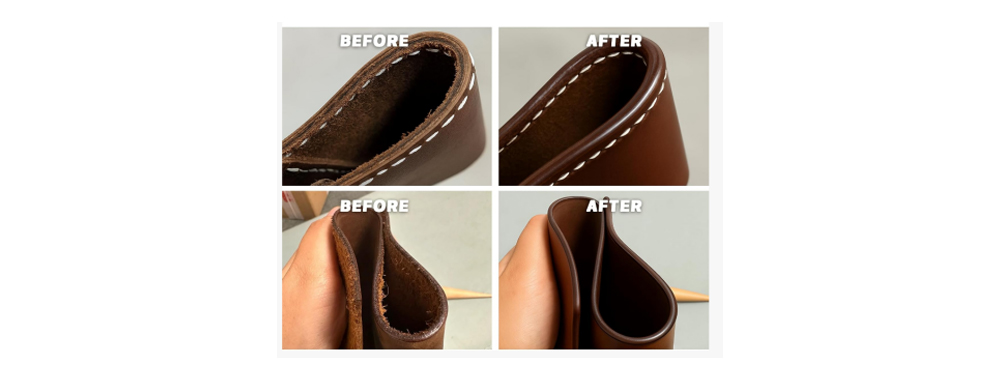
Clean, evenly applied edge painting, precise edge folding, and consistent color matching are hallmarks of superior craftsmanship. Poor edge finishing can lead to peeling, cracking, and premature wear, diminishing both the appearance and longevity of the handbag.
6. Customization and Logo Application
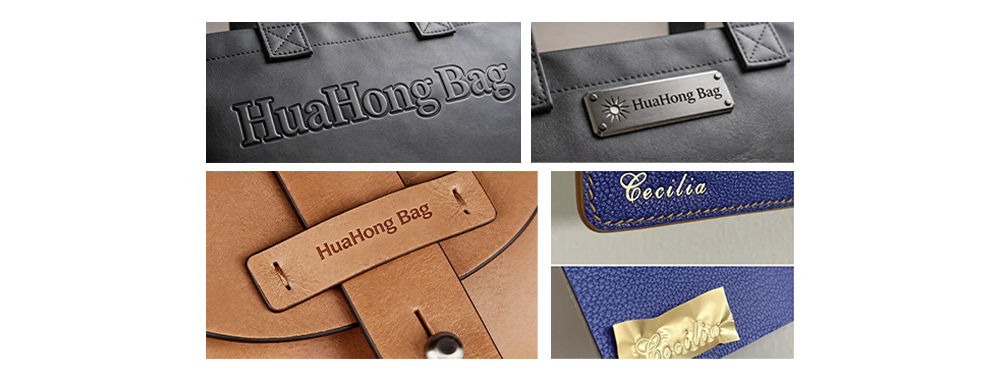
For branding purposes, the quality of the logo application is just as important as the bag itself. Whether you choose debossing, foil stamping, metal logo plates, or printed interior labels, the logo should be applied with precision, remain durable over time, and be positioned consistently to ensure a professional, premium finish.
III.Two Practical Tips for B2B Buyers
Even with a clear understanding of the quality evaluation criteria, one practical challenge often remains: How do you apply these standards effectively throughout the actual sourcing process?
As a handbag manufacturer, we’ve seen many brands make the same mistake—requesting luxury-level quality while expecting factory pricing. The result is often a mismatch between expectations and delivered products, or a project that exceeds the original budget.
Based on years of experience serving brands around the world, here are two practical recommendations to help B2B buyers avoid common sourcing pitfalls and make more informed purchasing decisions.
1. Don’t Compare Unit Prices Alone—Compare the Total Cost of Delivery
One of the most common pitfalls in B2B sourcing is focusing solely on the factory price per bag while overlooking the hidden costs that can significantly impact the overall project budget.
When evaluating suppliers, consider the total cost of delivery, which should include:
- Sampling fees
- Leather dyeing or color-matching fees
- Mold or tooling costs
- Minimum order quantity (MOQ) requirements
A supplier offering a lower unit price may ultimately cost more if these additional expenses are high or if their MOQ exceeds your actual demand.
2. Never Skip Pre-Production Sample Approval
To meet tight deadlines, some buyers choose to skip the pre-production sample and move directly into mass production. However, this shortcut often leads to costly quality issues and production delays.
We strongly recommend following a three-stage sample approval process:
l Material & Color Sample Approval—If you already have a target sourcing budget, share it with your manufacturer and ask them to recommend the highest-quality leather available within that budget.
If your budget has not yet been finalized, ask the factory to provide quotations using several grades of leather. Once you compare the pricing, you can select the material that best aligns with your budget before confirming the leather’s color, texture, thickness, and finish.
The primary objective of this stage is material selection—not producing a finished handbag.
Unlike Oxford fabric, where materials with the same specification tend to have relatively consistent pricing, leather quality and cost can vary dramatically even under the same material name. Factors such as the hide grade, tanning process, finishing method, and leather quality can result in price differences of several times over.
Selecting the right leather at the beginning of the project is one of the most important decisions you can make, as it directly affects the handbag’s appearance, durability, tactile feel, and overall perceived value.
- Prototype Sample (Proto Sample) – Produce a complete handbag using the actual materials to evaluate the bag’s shape, dimensions, stitching, compartment layout, and functionality. Design adjustments can still be made at this stage.
- Pre-Production Sample (PPS) – Before mass production begins, manufacture a final sample using the actual production line, workers, and tooling. This sample should be reviewed, approved, and signed off by both parties, then retained as the gold standard for mass production quality inspection.
While this three-step process may seem time-consuming, it is one of the most cost-effective ways to identify and resolve potential issues before full-scale production. Investing in thorough sample approval is far less expensive than dealing with rework, delays, or product defects after mass production has begun.

FAQ
Q1: How can I tell the difference between full-grain leather and split leather?
A: Full-grain leather retains the hide’s natural grain layer. Even when lightly buffed or corrected, its underlying structure remains natural leather fibers. Split leather, on the other hand, is made from the lower layer of the hide after the top grain has been removed. It is typically finished with a PU coating, giving it a more uniform appearance but lacking natural pores. Compared with full-grain leather, split leather offers lower strength, durability, and a less premium feel.
A simple way to distinguish them is by bending the leather. Full-grain leather develops natural crease patterns, while split leather often shows whitening or stress marks on the coated surface.
Q2: Can PU leather meet environmental certification standards?
A: Yes. Reputable manufacturers can provide certifications for PU materials, such as REACH, California Proposition 65 (CA Prop 65), or OEKO-TEX® compliance. Some premium PU leathers also use water-based PU coatings instead of solvent-based finishes, resulting in lower VOC emissions and a reduced environmental impact.
Q3: Why do different factories quote vastly different prices for “full-grain leather” bags?
A: The cost of leather varies significantly depending on factors such as the origin of the hide, tanning process (vegetable tanning or chrome tanning), and leather grade (e.g., Grade A, Grade B, or corrected leather). When requesting quotations, always ask suppliers to provide leather swatches or sample cards so you can verify the exact material being quoted.
Q4: How many color options are available for genuine leather?
A: Vegetable-tanned leather offers a relatively limited color palette, typically including natural, brown, black, and burgundy tones. Chrome-tanned leather with surface finishing can achieve almost any color. However, extremely light shades or fluorescent colors are difficult to reproduce consistently on genuine leather and are more prone to color variation. In terms of color flexibility, PU leather offers significantly more options than genuine leather.
Q5: How should brands explain to consumers why a handbag is made from PU instead of genuine leather?
A: Rather than avoiding the topic, focus on the benefits. Highlight that PU leather is vegan-friendly, offers greater color versatility, is easier to maintain, and provides excellent value for money. The key is to position PU as a deliberate material choice based on design, functionality, and sustainability—not simply as a cost-saving alternative.
Conclusion
For B2B buyers, quality control should never begin only at the final inspection stage. Instead, quality requirements should be integrated into every step of the sourcing process—from evaluating the total cost of ownership and documenting clear product specifications, to approving samples, verifying material compliance, and conducting in-process quality inspections during production.
By establishing clear evaluation criteria and following a structured procurement process, brands can avoid common sourcing pitfalls, minimize costly rework, and protect their reputation. Choosing the right manufacturing partner and implementing robust quality control practices will help ensure your custom leather handbags consistently meet your brand standards and support your long-term business growth.